Food Security and Decentralisation in a Changing Climate-an African Case Study
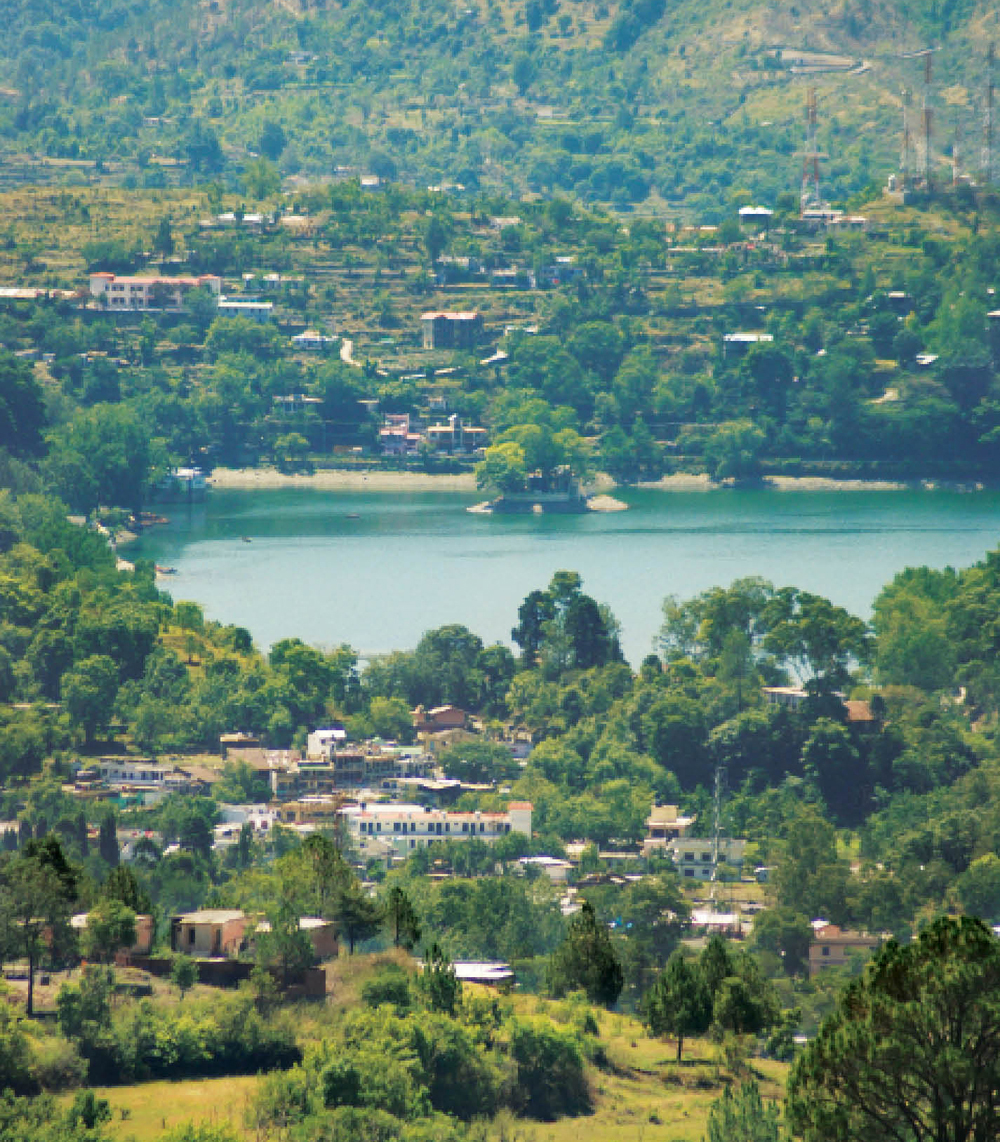
Glaw Lake was recently designated as Arunachal Pradesh’s First and India’s 101st Ramsar Site. It is located within the Kamlang Tiger Reserve and Wildlife Sanctuary. It hosts diverse flora and fauna sp...
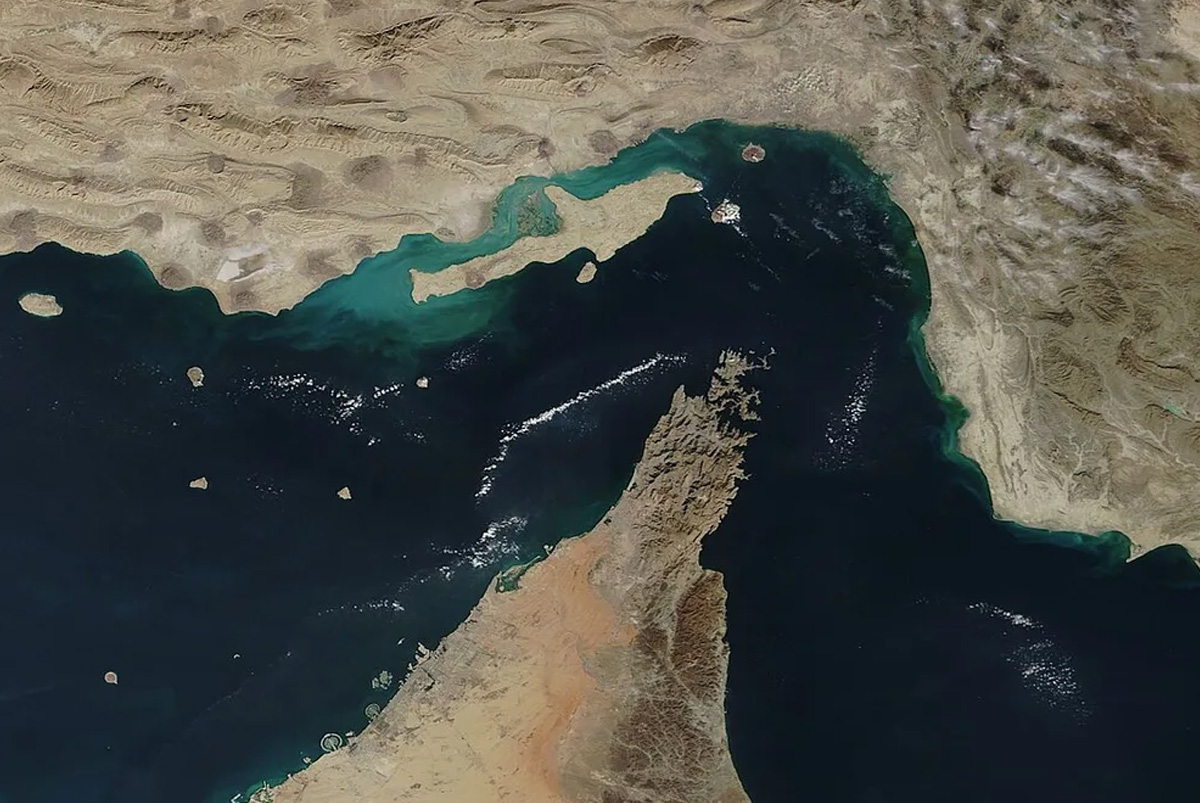
Maritime chokepoints are vital points along shipping routes that facilitate the passage of substantial trade volumes. These chokepoints control the global essential supplies such as oil, gas, fertiliz...
ENVIRONMENT, EARTH SCIENCE, BIODIVERSITY, E ARTICLE
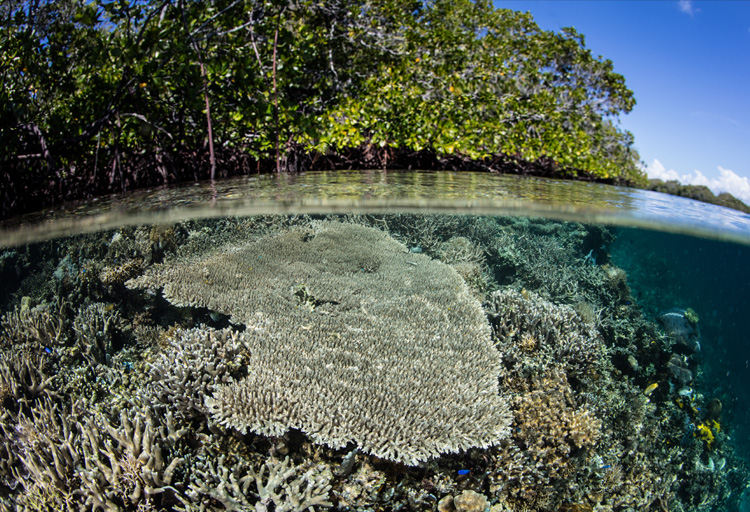
What if India's pathway to net zero does not end at factories—but begins where terrestrial meets the coastal? As carbon emissions rise and climate risks intensify, the search for solutions has largely...
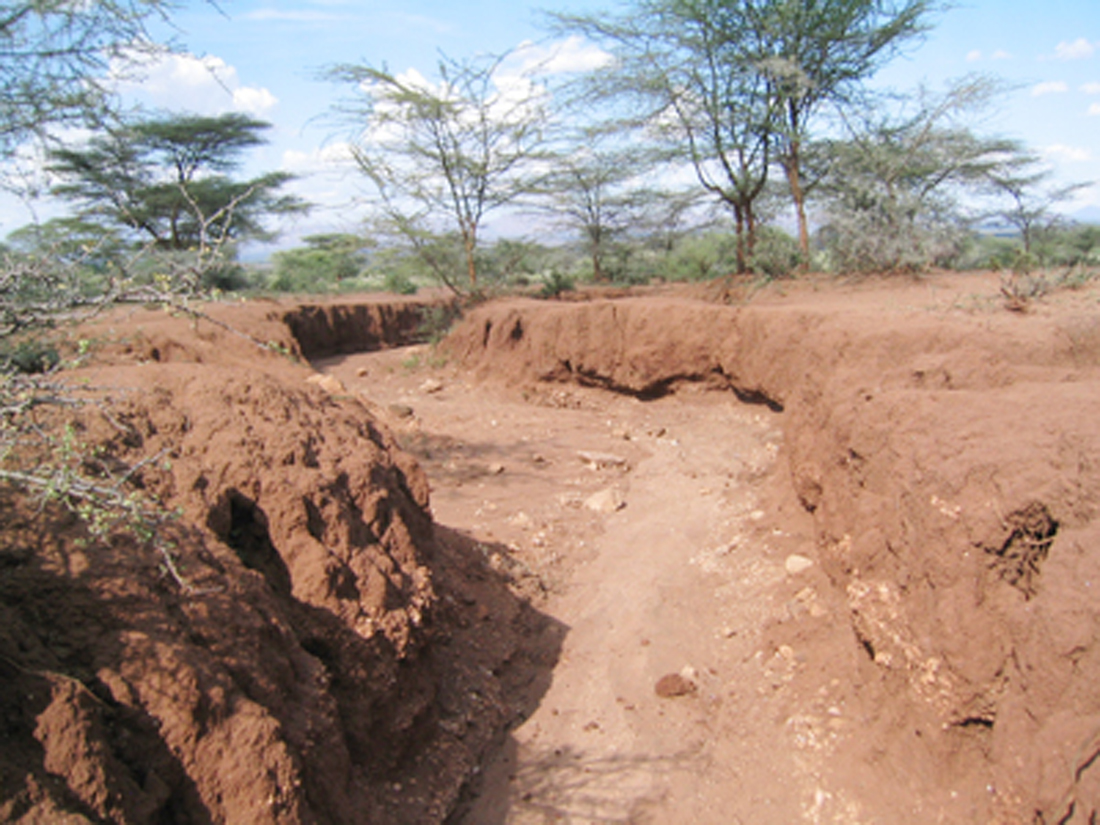
Environmental change is affecting food security, particularly for small farmers living on the margins. It is estimated that worldwide around 850 million people are chronically hungry and six million c...
The problems in cities seem to be getting worse faster than improvements from planning strategies. Sustainability for cities means reducing the ecological footprint whilst simultaneously improving the...
Adding a spatial component to the new integrated research will help to manage not only the resources on the earth but also the earth systems.
Environmental change is affecting food security, particularly for small farmers living on the margins. It is estimated that worldwide around 850 million people are chronically hungry and six million children presently die of hunger every year. Of the 800 million undernourished individuals worldwide, over 60 per cent are in Asia and 28 per cent in the African continent.
The problems in cities seem to be getting worse faster than improvements from planning strategies. Sustainability for cities means reducing the ecological footprint whilst simultaneously improving the quality of life.
Adding a spatial component to the new integrated research will help to manage not only the resources on the earth but also the earth systems.