Climate Change and Biodiversity
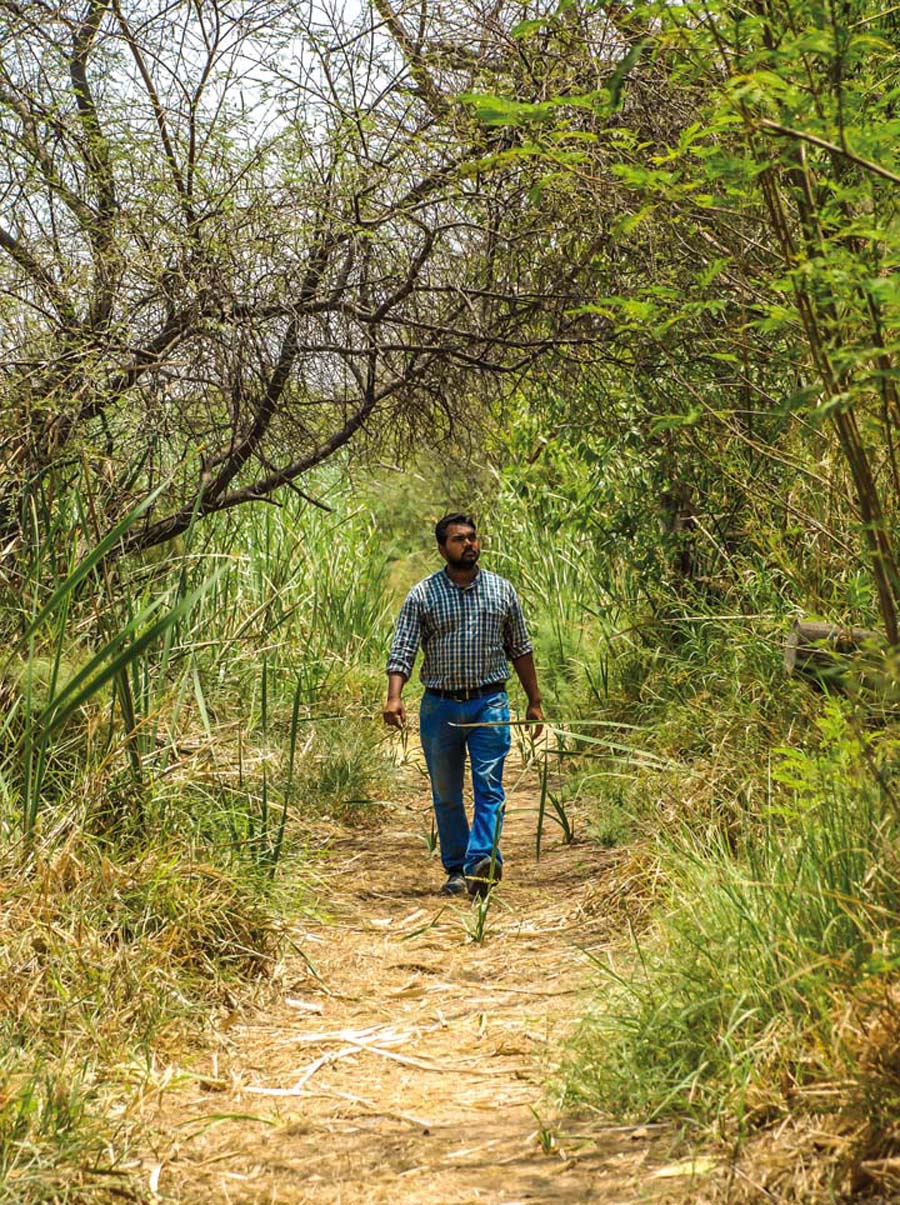
Glaw Lake was recently designated as Arunachal Pradesh’s First and India’s 101st Ramsar Site. It is located within the Kamlang Tiger Reserve and Wildlife Sanctuary. It hosts diverse flora and fauna sp...
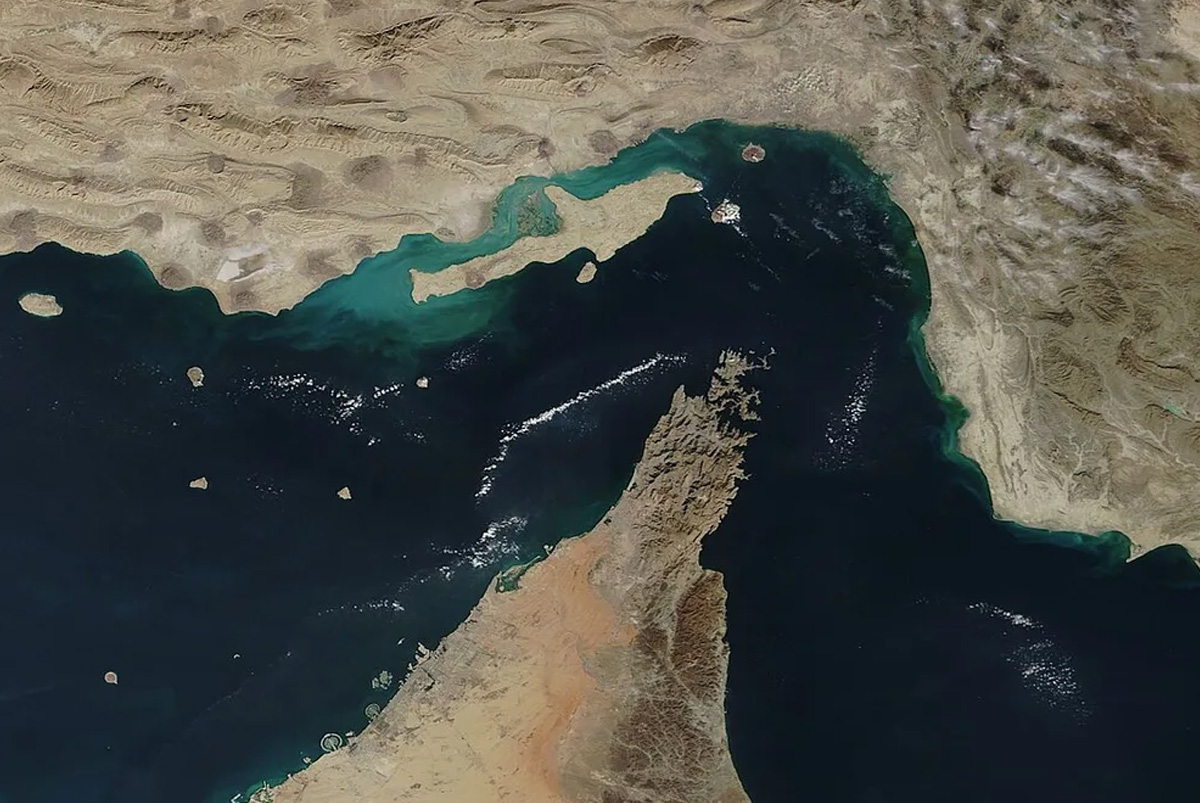
Maritime chokepoints are vital points along shipping routes that facilitate the passage of substantial trade volumes. These chokepoints control the global essential supplies such as oil, gas, fertiliz...
ENVIRONMENT, EARTH SCIENCE, BIODIVERSITY, E ARTICLE
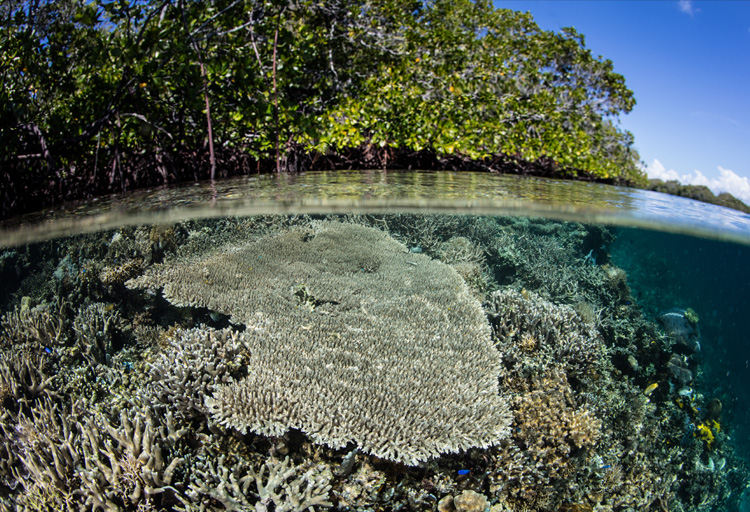
What if India's pathway to net zero does not end at factories—but begins where terrestrial meets the coastal? As carbon emissions rise and climate risks intensify, the search for solutions has largely...
The risk of climate change is universal but the poor are more vulnerable with worsening food security and exacerbating hunger in developing countries. Climate change is also likely to affect species d...
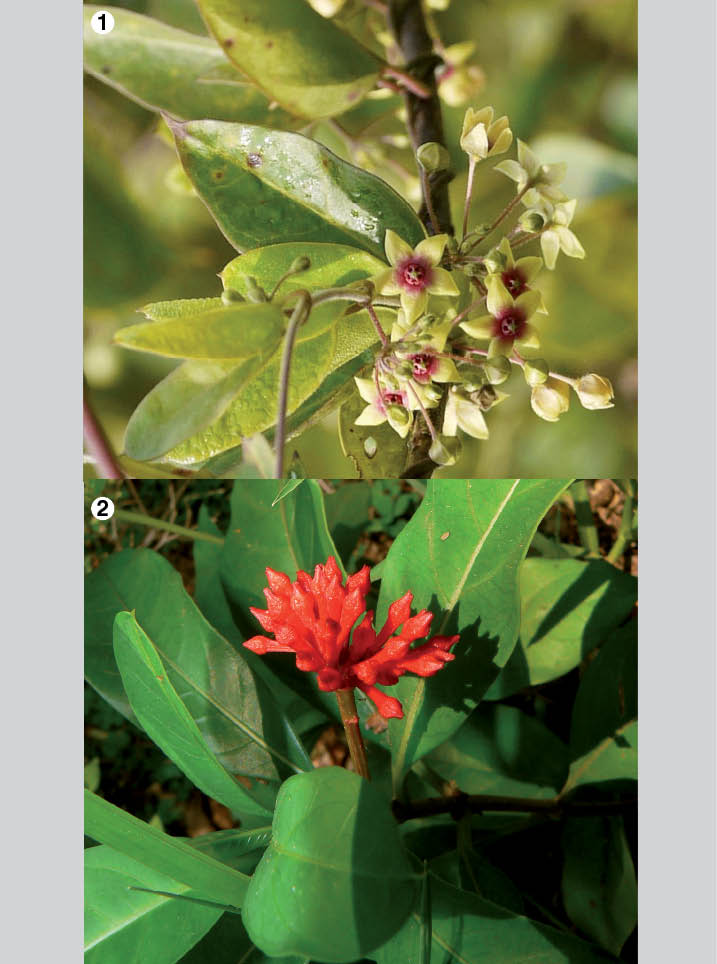
The Indian medical heritage flows in two streams—folk and scholarly. The first is an immensely diverse, ecosystem specific, community based tradition and the other a codified one, yet both are symbiot...
Antarctic and Arctic are inhabited by organisms adapted to live in extreme environmental conditions. The capabilities of these life forms offer an insight into complex life processes. India, realising...
Four biodiversity rich areas in India have been designated as the hotspots by the Conservation International. Hotspots mandate greater conservation efforts at a local, national and global level.
The risk of climate change is universal but the poor are more vulnerable with worsening food security and exacerbating hunger in developing countries. Climate change is also likely to affect species distribution and increase the threat of extinction and loss of biodiversity.
The Indian medical heritage flows in two streams—folk and scholarly. The first is an immensely diverse, ecosystem specific, community based tradition and the other a codified one, yet both are symbiotically related with around 6,581 medicinal botanicals.
Antarctic and Arctic are inhabited by organisms adapted to live in extreme environmental conditions. The capabilities of these life forms offer an insight into complex life processes. India, realising this potential has been exploring the two toughest terrains on earth for several decades now and have made considerable advancements in polar biology.