Abstract: As India stands at a critical juncture in education reform, questions surrounding privatization, affordability, and equity have become central to the national discourse. The National Education Policy (NEP) 2020 has reignited debates on the role of the state in ensuring inclusive and accessible education, with Tamil Nadu emerging as a unique case study. Known for its welfare-driven approach and high gross enrollment ratios, the state’s education policy contrasts sharply with the central push towards privatization and market-based mechanisms. This G’nY blog features an insightful conversation with educationist, Dr. Lenin Jawahar Nesan. Through this discussion, we explore the foundational principles of Tamil Nadu’s education model, the ideological and structural tensions with the National Education Policy 2020, and the broader implications for equity, federalism, and the future of public education in India.
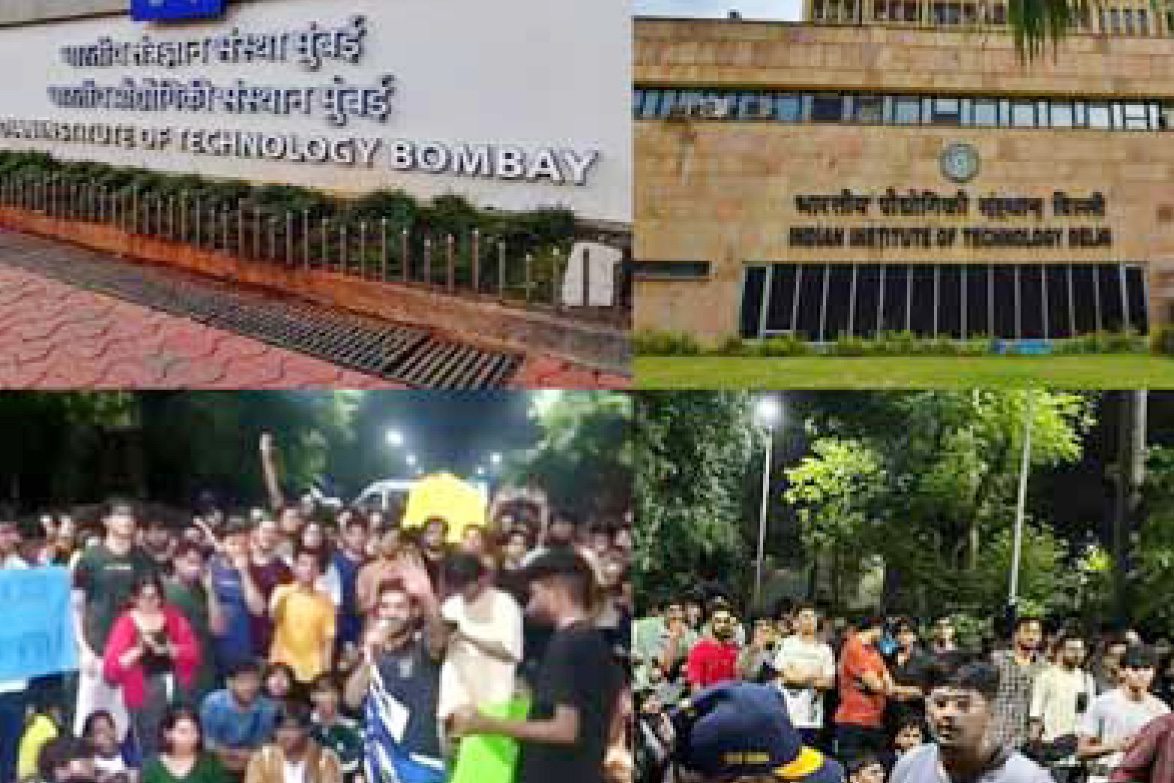
Student distress is an increasingly recognised concern, poignantly reflected in the rising instances of student suicides across institutions of higher learning in India. Despite institutional mechanis...
Assam Chief Minister Himanta Biswa Sarma has announced plans to reduce the Kaziranga Eco-Sensitive Zone (ESZ) to one km as opposed to the current 10 km. The state government’s intention has raised con...
Glaw Lake was recently designated as Arunachal Pradesh’s First and India’s 101st Ramsar Site. It is located within the Kamlang Tiger Reserve and Wildlife Sanctuary. It hosts diverse flora and fauna sp...
Maritime chokepoints are vital points along shipping routes that facilitate the passage of substantial trade volumes. These chokepoints control the global essential supplies such as oil, gas, fertiliz...