Revisiting Traditional Gender Identities in Disaster Response
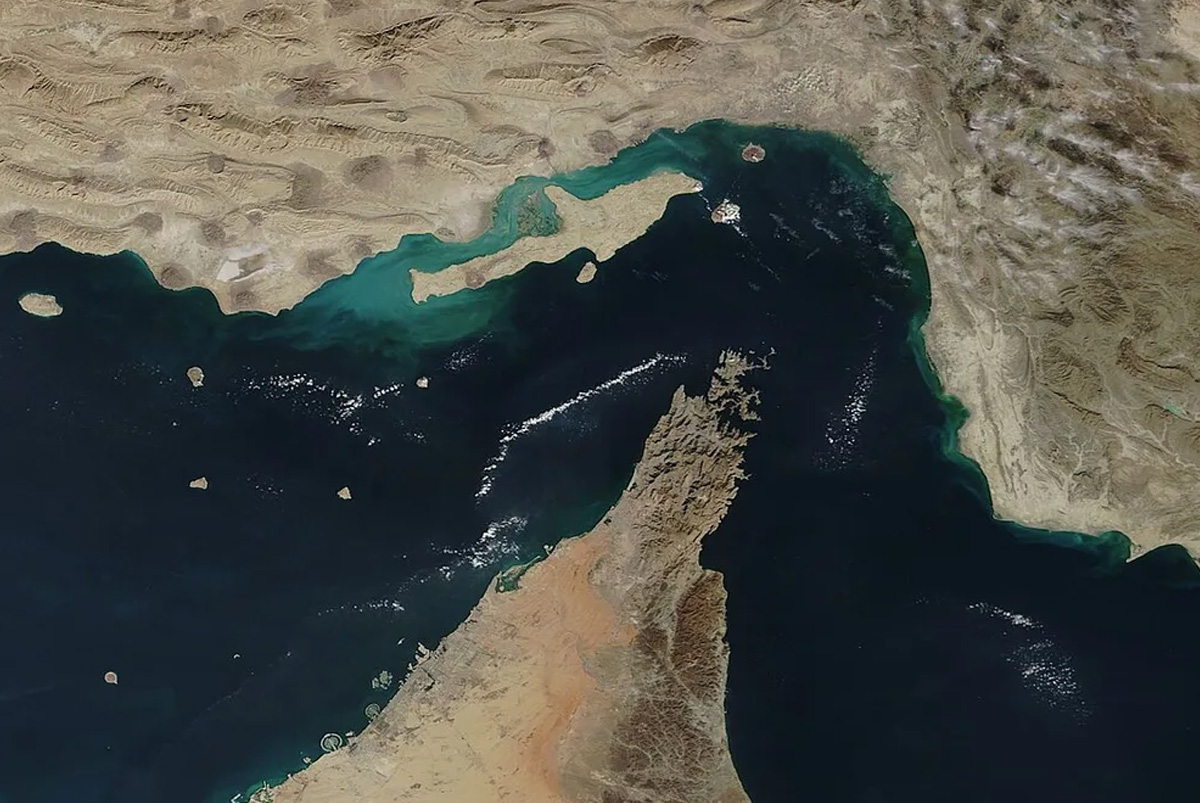
Maritime chokepoints are vital points along shipping routes that facilitate the passage of substantial trade volumes. These chokepoints control the global essential supplies such as oil, gas, fertiliz...
ENVIRONMENT, EARTH SCIENCE, BIODIVERSITY, E ARTICLE
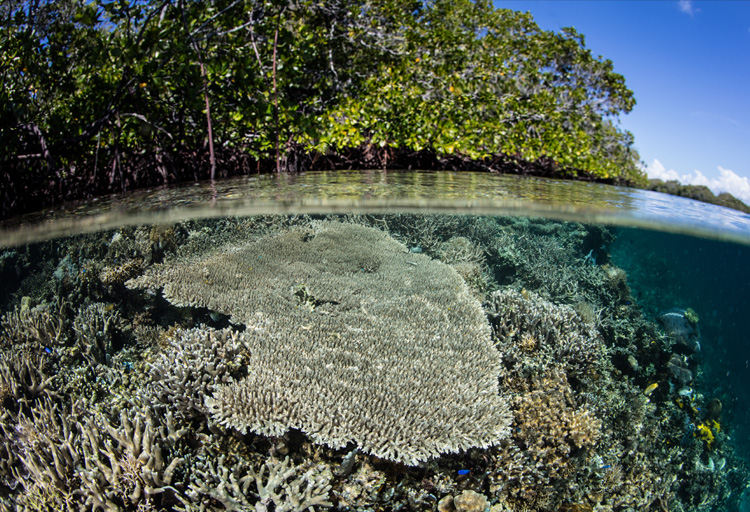
What if India's pathway to net zero does not end at factories—but begins where terrestrial meets the coastal? As carbon emissions rise and climate risks intensify, the search for solutions has largely...
India is set to embark on a new chapter in its Polar exploration journey with the construction of Maitri II. The Indian government plans to establish a new research station near the existing Maitri ba...
It is now widely acknowledged that when disasters occur, not all members of the ‘affected community’ are affected the same way. The earlier literature on gender and disasters over-emphasized women’s v...
<p>In fact India’s population density fell between the 1911 to the 1921 Census by 1.2 per cent. Since then India’s population density has been steadily rising with much higher percentage growths.</p>
<p>This line of thinking in geographical determinism continued with Strabo through to Montesquieu who attributed courage to colder climates and cunning to warmer climates.</p>
<p>Geographical possibilism is a school of thought in cultural geography that says that although the natural environment places certain constraints and limitations on human life, culture is determined...
It is now widely acknowledged that when disasters occur, not all members of the ‘affected community’ are affected the same way. The earlier literature on gender and disasters over-emphasized women’s vulnerabilities in the aftermath of a disaster due to their care-giving roles. It did not consider the differential vulnerabilities of diverse groups of women based on their class, caste, race, age, oc...
<p>In fact India’s population density fell between the 1911 to the 1921 Census by 1.2 per cent. Since then India’s population density has been steadily rising with much higher percentage growths.</p>
<p>This line of thinking in geographical determinism continued with Strabo through to Montesquieu who attributed courage to colder climates and cunning to warmer climates.</p>