The Health Risks of Air Pollution
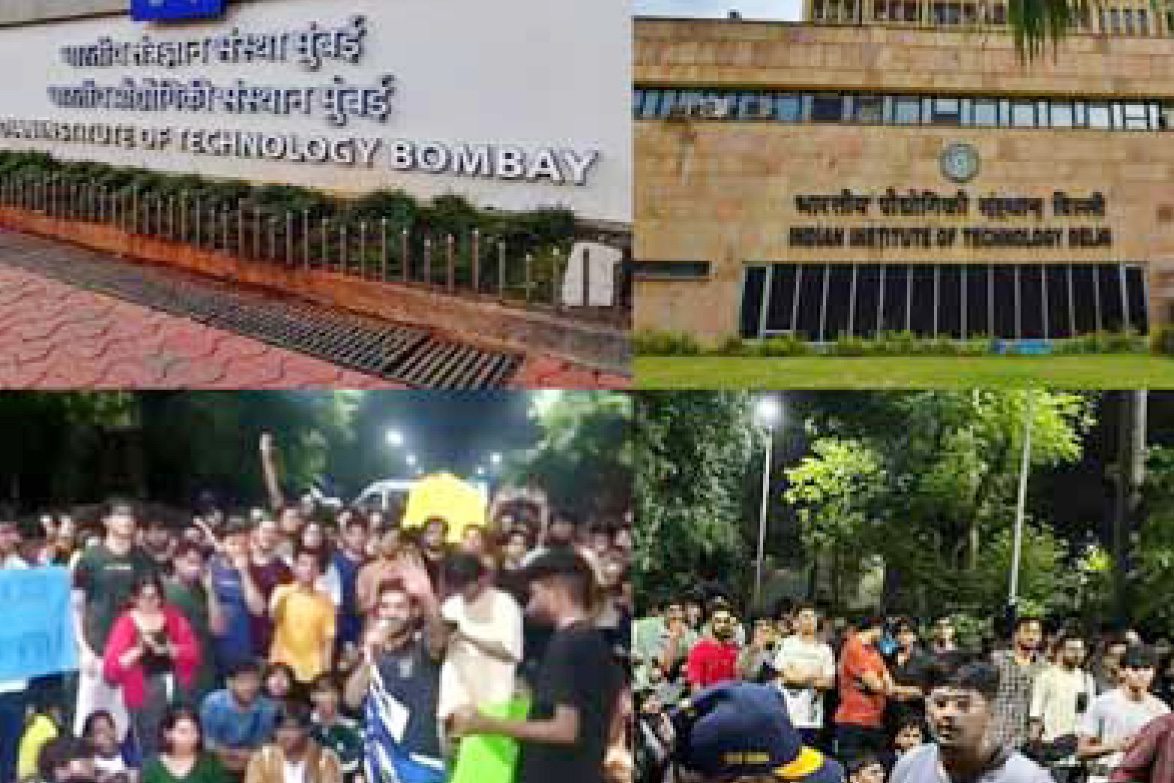
Student distress is an increasingly recognised concern, poignantly reflected in the rising instances of student suicides across institutions of higher learning in India. Despite institutional mechanis...
ENVIRONMENT, FORESTS, BIODIVERSITY
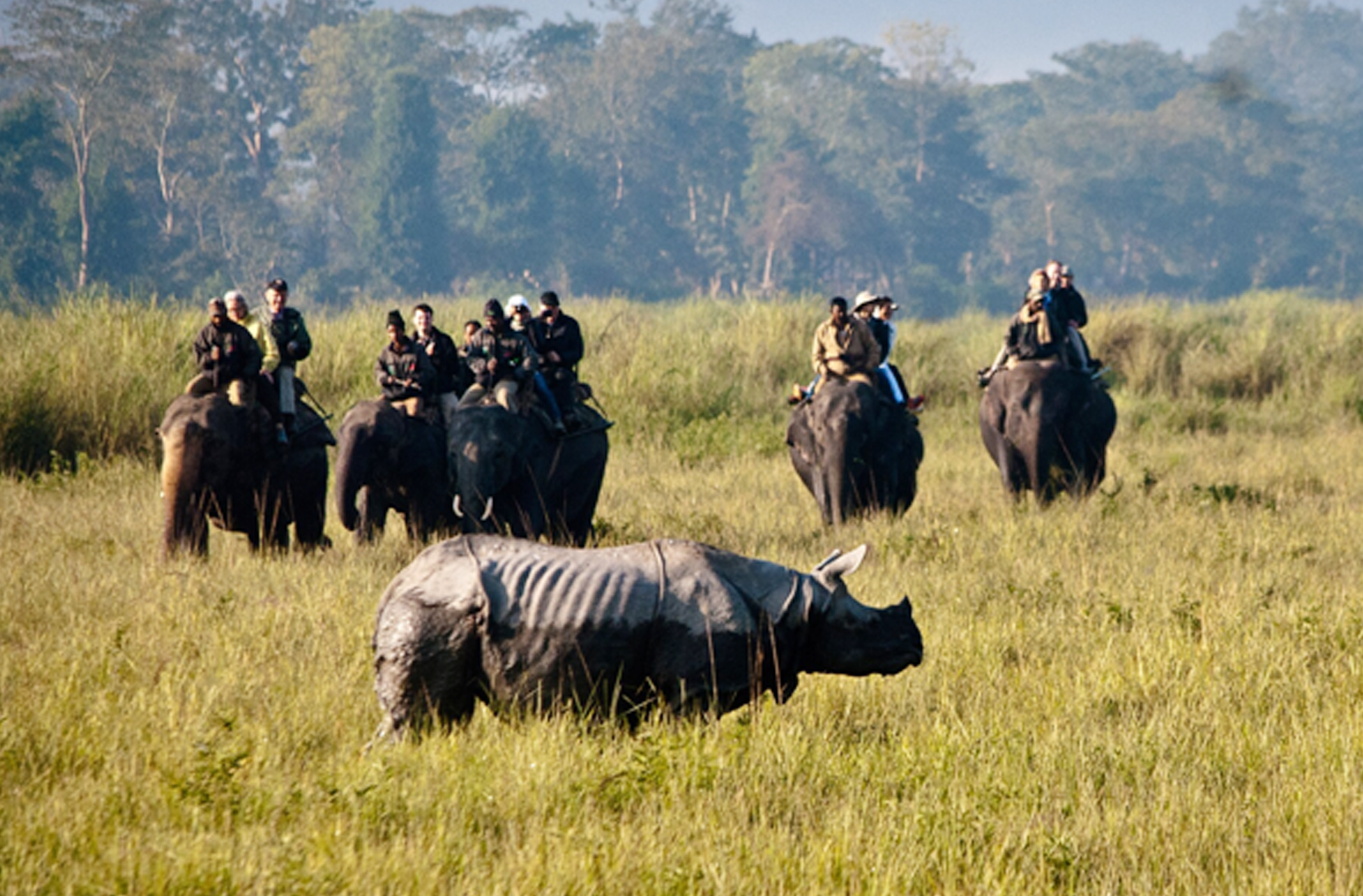
Assam Chief Minister Himanta Biswa Sarma has announced plans to reduce the Kaziranga Eco-Sensitive Zone (ESZ) to one km as opposed to the current 10 km. The state government’s intention has raised con...
Glaw Lake was recently designated as Arunachal Pradesh’s First and India’s 101st Ramsar Site. It is located within the Kamlang Tiger Reserve and Wildlife Sanctuary. It hosts diverse flora and fauna sp...
Rising levels of air pollution are posing a health hazard to people worldwide. In 2016, exposure to ambient PM2.5 caused 1.025 million deaths in India. While a number of policies to combat air polluti...
In March 2018, the Supreme Court of India in a landmark judgement passed an order legitimising passive euthanasia in India. However, if passive euthanasia through a ‘living will’ is legalised, the cou...
Mental health issues remain unreported over most of India. According to the 2017 World Health Organisation (WHO) Report, major or minor mental illnesses requiring expert intervention is 7.5 per cent o...
Rising levels of air pollution are posing a health hazard to people worldwide. In 2016, exposure to ambient PM2.5 caused 1.025 million deaths in India. While a number of policies to combat air pollution exists, improper implementation leaves us gasping for the most basic of human needs—air.
In March 2018, the Supreme Court of India in a landmark judgement passed an order legitimising passive euthanasia in India. However, if passive euthanasia through a ‘living will’ is legalised, the courts must engage medical practitioners to also look at providing terminal patients a painless way of passing on.
Mental health issues remain unreported over most of India. According to the 2017 World Health Organisation (WHO) Report, major or minor mental illnesses requiring expert intervention is 7.5 per cent of India’s population. Also, estimates show that of roughly 60 million people with mental illnesses, about 90 per cent are currently not receiving treatment in India.