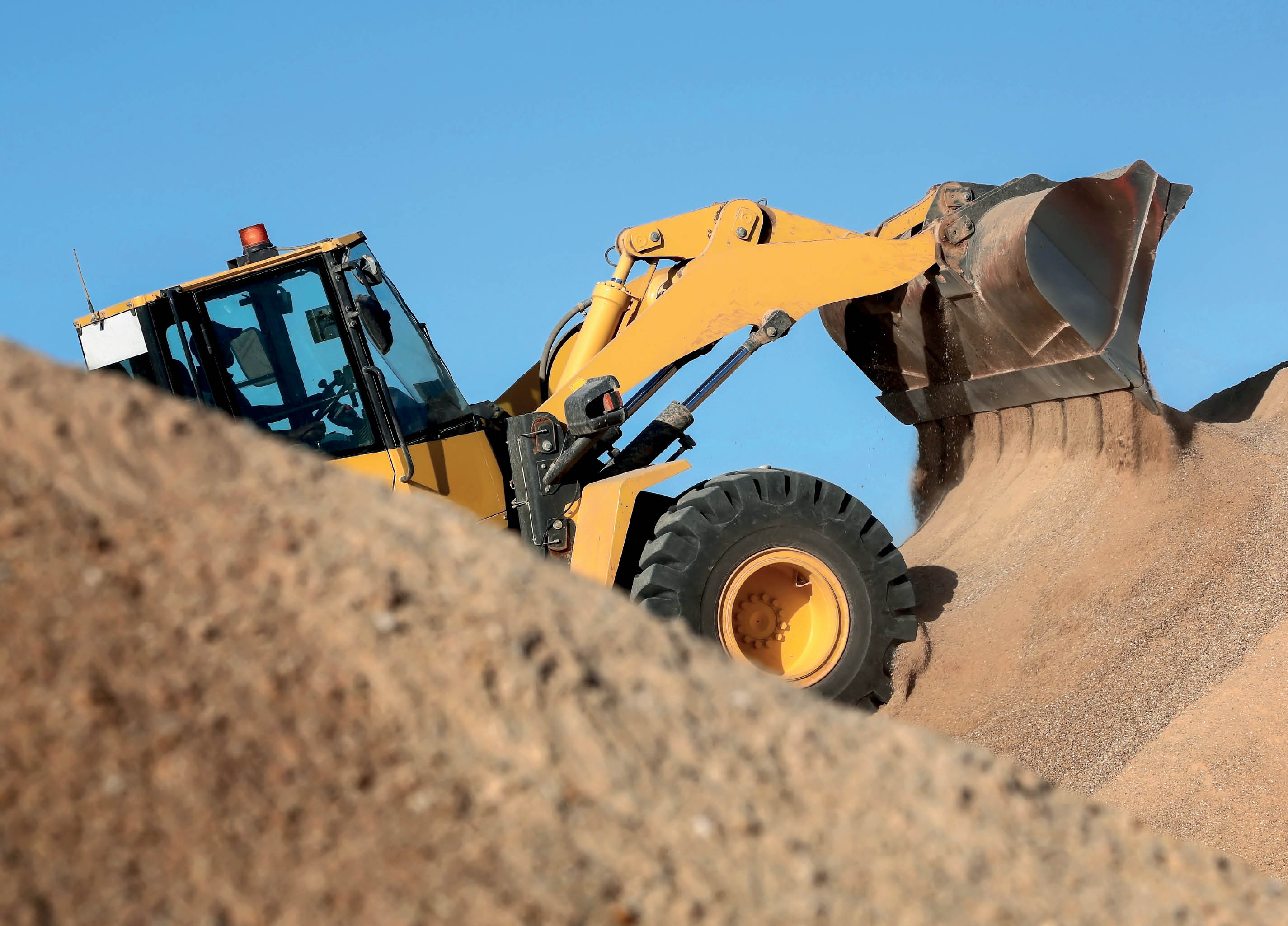
Bridging demand to curb illegal sand mining
Glaw Lake was recently designated as Arunachal Pradesh’s First and India’s 101st Ramsar Site. It is located within the Kamlang Tiger Reserve and Wildlife Sanctuary. It hosts diverse flora and fauna sp...
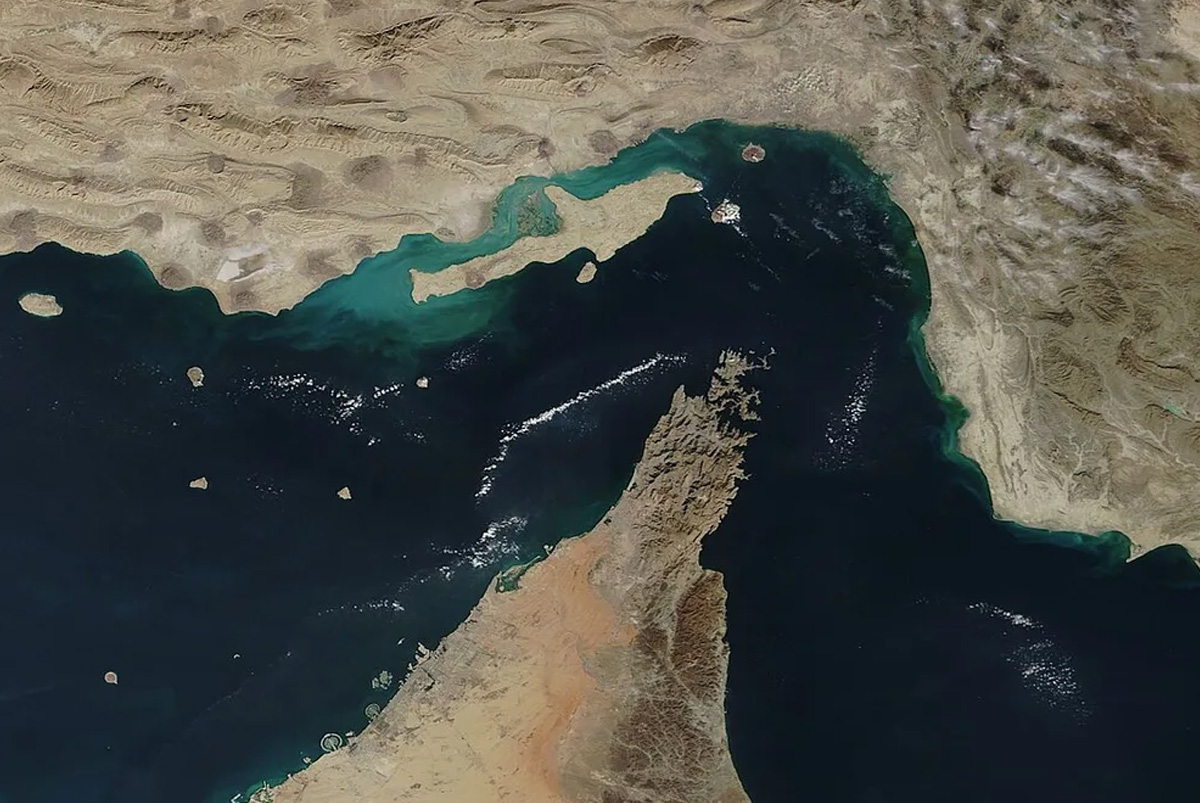
Maritime chokepoints are vital points along shipping routes that facilitate the passage of substantial trade volumes. These chokepoints control the global essential supplies such as oil, gas, fertiliz...
ENVIRONMENT, EARTH SCIENCE, BIODIVERSITY, E ARTICLE
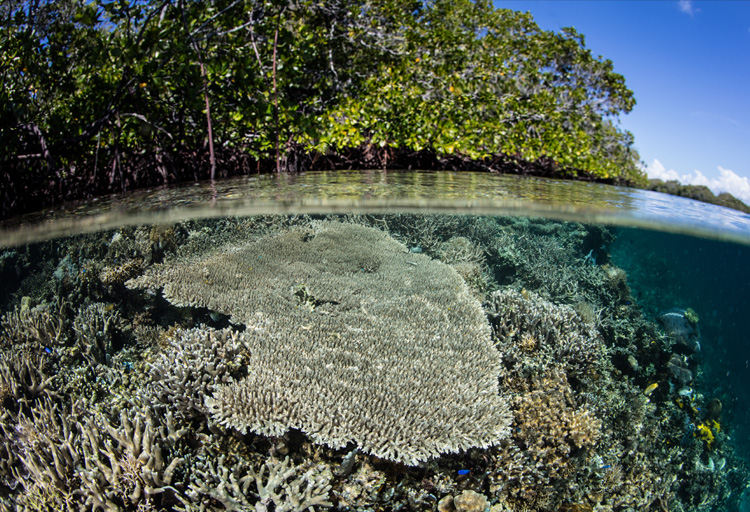
What if India's pathway to net zero does not end at factories—but begins where terrestrial meets the coastal? As carbon emissions rise and climate risks intensify, the search for solutions has largely...
While sand is an important material in the construction industry, the burgeoning demand for sand is leading to illegal sand mining at many places across the country. Excessive sand mining has a huge e...
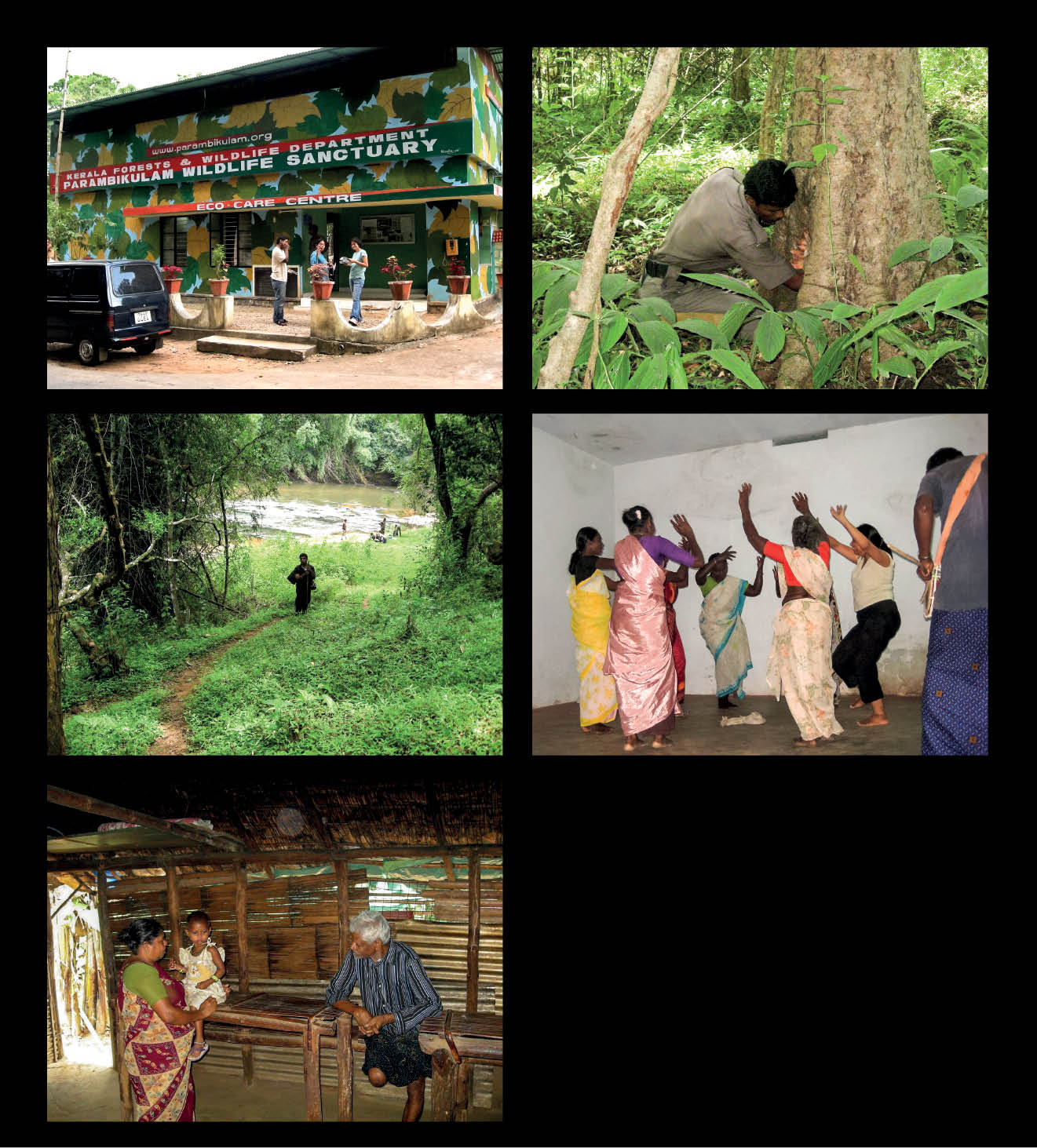
The Kerala Forest Department, through its unique model of community engagement, has involved the forest dwellers in the Parambikulam Tiger Reserve area to safeguard the forest, and provide a livelihoo...
The 68th round of National Sample Survey (2012) indicates that though the economic growth is pushing up income and consumption levels of the average Indian faster than before, income disparity is gett...
Despite India’s big improvements, its human development index (HDI) score is ranked at 136 in a list of 186 countries, according to the United Nations Development Programme report, 2013. Meanwhile, a...
While sand is an important material in the construction industry, the burgeoning demand for sand is leading to illegal sand mining at many places across the country. Excessive sand mining has a huge ecological impact and there is an urgent need for alternatives to bridge the demand supply gap.
The Kerala Forest Department, through its unique model of community engagement, has involved the forest dwellers in the Parambikulam Tiger Reserve area to safeguard the forest, and provide a livelihood opportunity. The benefit—greater vigilance amounting to no poaching cases ever since the approach began in 2006.
The 68th round of National Sample Survey (2012) indicates that though the economic growth is pushing up income and consumption levels of the average Indian faster than before, income disparity is getting sharper, especially in rural India. Also, the share of food expenditure in household consumption has declined since 1993-1994, with a simultaneous decline in calorie intake.