Tracking Coastal Pollution
Glaw Lake was recently designated as Arunachal Pradesh’s First and India’s 101st Ramsar Site. It is located within the Kamlang Tiger Reserve and Wildlife Sanctuary. It hosts diverse flora and fauna sp...
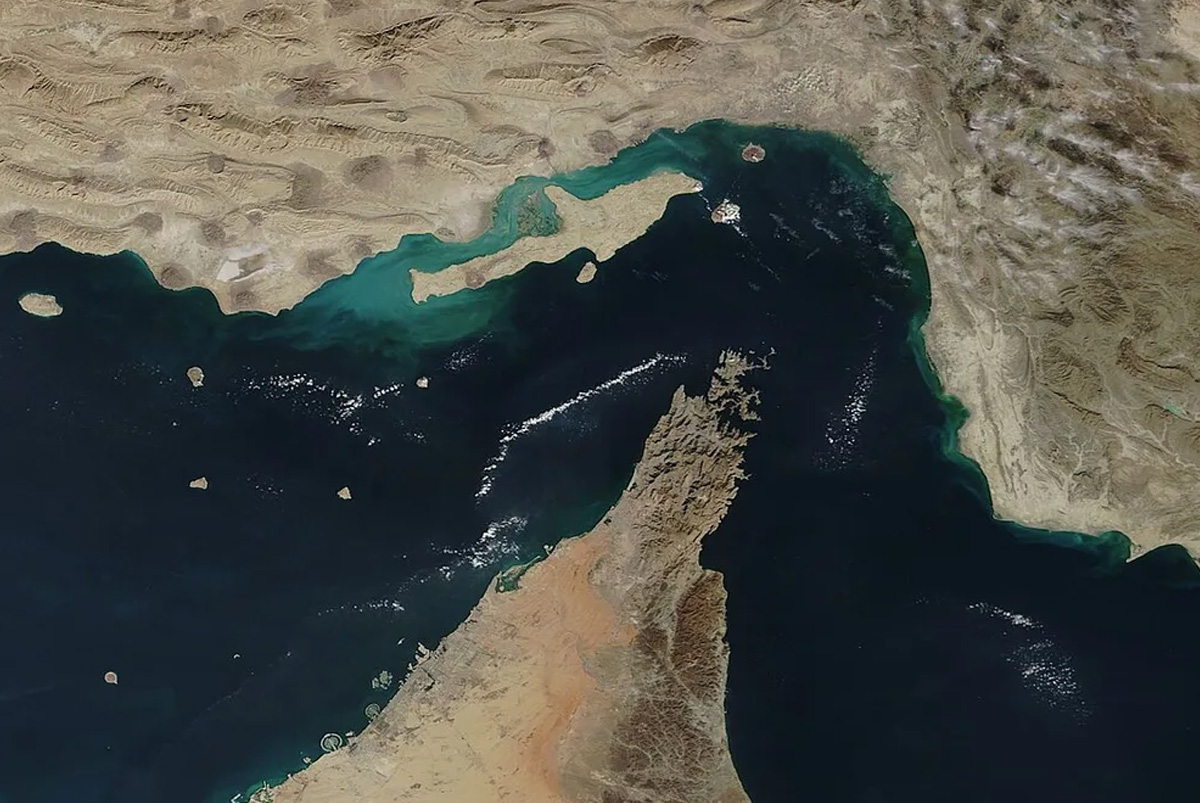
Maritime chokepoints are vital points along shipping routes that facilitate the passage of substantial trade volumes. These chokepoints control the global essential supplies such as oil, gas, fertiliz...
ENVIRONMENT, EARTH SCIENCE, BIODIVERSITY, E ARTICLE
What if India's pathway to net zero does not end at factories—but begins where terrestrial meets the coastal? As carbon emissions rise and climate risks intensify, the search for solutions has largely...
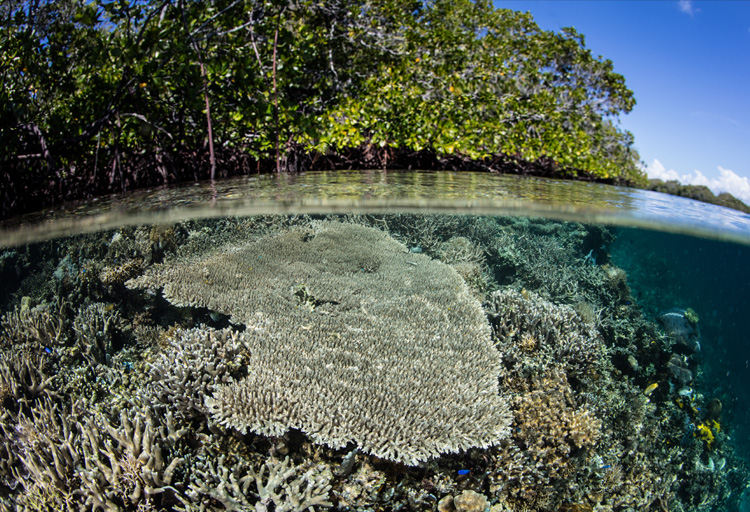
The Indian coastal ecosystems are threatened by climate change and human advancement—jeopardising its services. Protecting coastal systems from multiple pressures is one of the largest environmental c...
COASTAL RESEARCH, OCEANS, POLLUTION
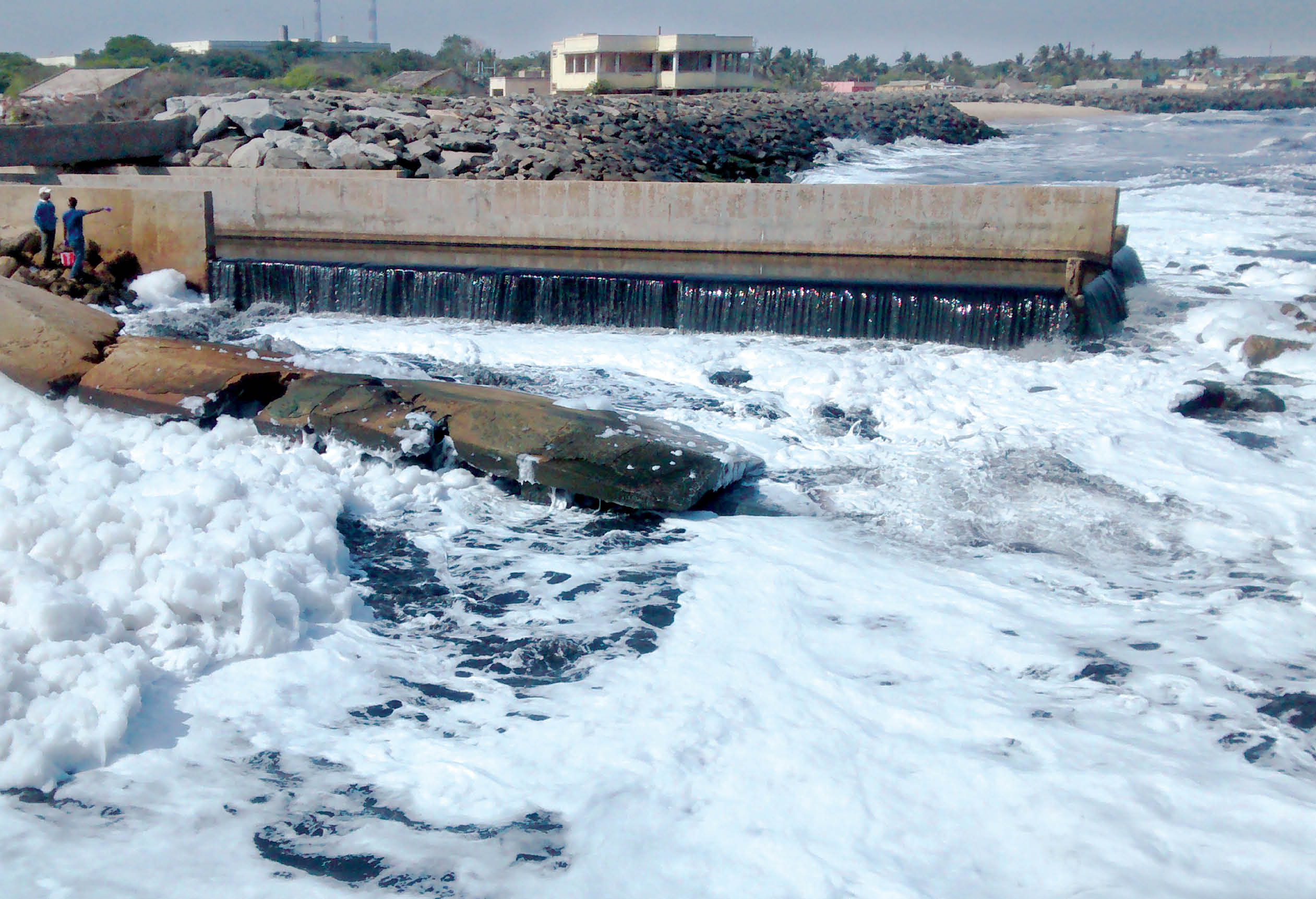
Poisonous chemicals let out into the sea are entering the food chain—interfering with the marine ecosystem. The resultant loss of biodiversity, coral bleaching, ocean acidification and harmful algal b...
<p>For 3 days from June 13 to 15, 2018 air quality at ‘severe’ levels in the city of Delhi. The spike in pollution levels led to the Lieutenant Governor of Delhi banning all construction activities in...
<p>Causing the death of over 100,000 marine mammals and millions of fishes and birds annually, plastic waste dumped into the ocean has emerged as the biggest waste problem of planet Earth. While over...
The Indian coastal ecosystems are threatened by climate change and human advancement—jeopardising its services. Protecting coastal systems from multiple pressures is one of the largest environmental concerns facing the global community. The Seawater quality monitoring programme (SWQM) implemented by the National Centre for Coastal Research (NCCR), Ministry of Earth Sciences, is one such strategy t...
COASTAL RESEARCH, OCEANS, POLLUTION
Poisonous chemicals let out into the sea are entering the food chain—interfering with the marine ecosystem. The resultant loss of biodiversity, coral bleaching, ocean acidification and harmful algal blooms needs to be assessed urgently. The setting of threshold levels for all hazardous heavy metals is imperative and the nation needs to update the existing regulatory guidelines and standards with s...
<p>For 3 days from June 13 to 15, 2018 air quality at ‘severe’ levels in the city of Delhi. The spike in pollution levels led to the Lieutenant Governor of Delhi banning all construction activities in Delhi until June 17, 2018.</p>