Opencast Mining River Catchment and the Plight of Odisha
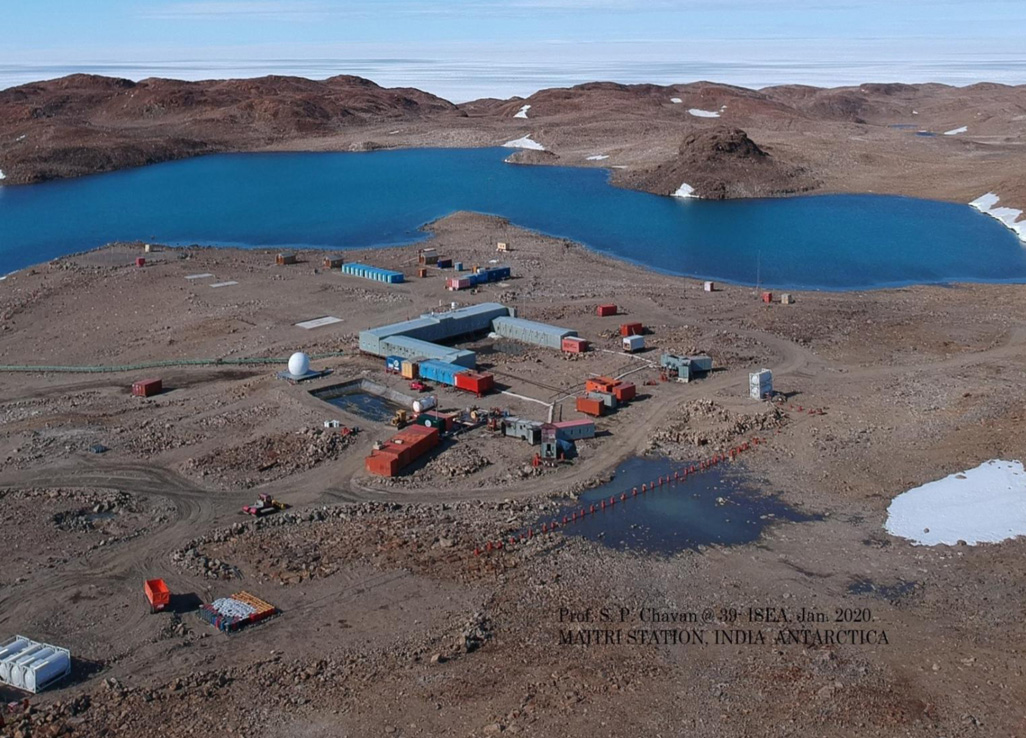
India is set to embark on a new chapter in its Polar exploration journey with the construction of Maitri II. The Indian government plans to establish a new research station near the existing Maitri ba...
The Deep Ocean Mission (DOM), approved by the Government of India in 2021 under the Ministry of Earth Sciences (MoES), represents a strategic step in realizing Sustainable Development Goal 14 (SDG 14:...
China recently announced restrictions on the export of seven rare earth elements (REEs), soon after US President Donald Trump decided to impose tariffs. As the world's dominant supplier—responsible fo...
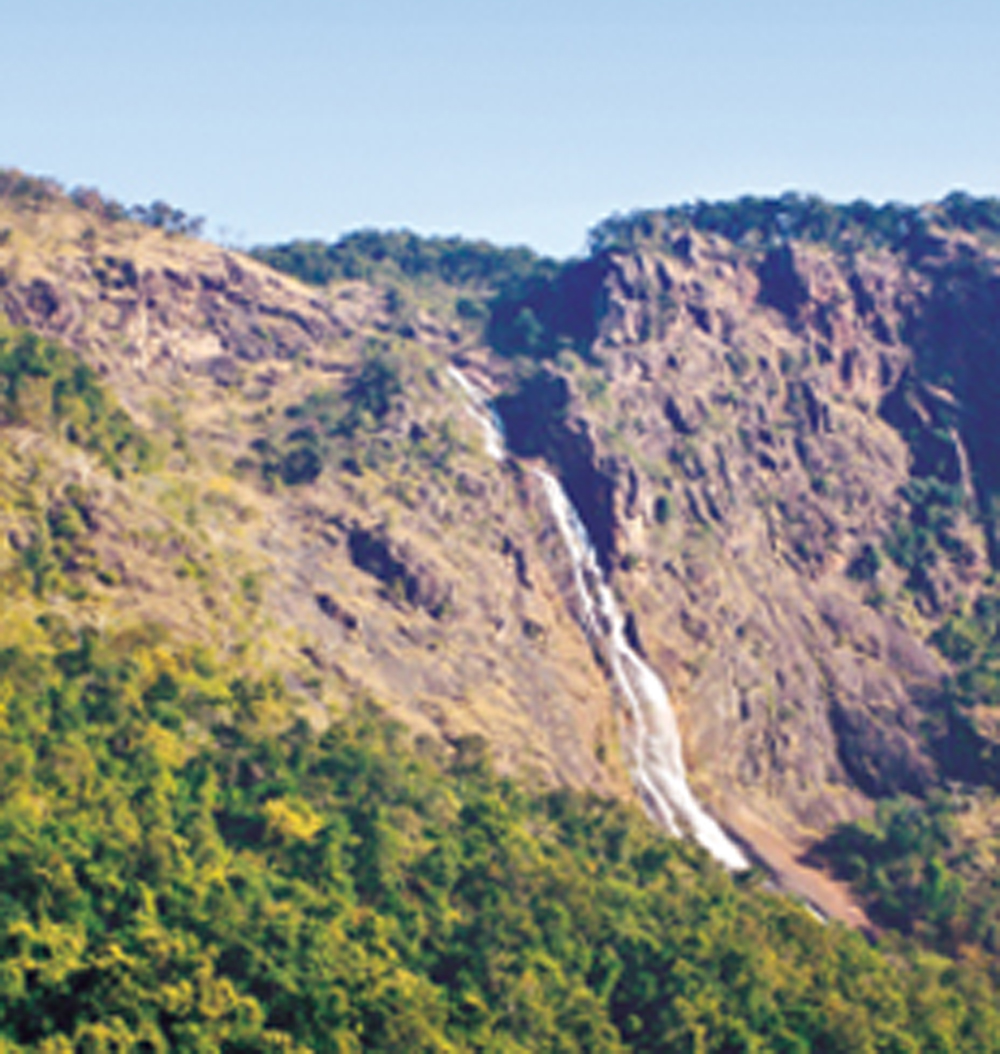
Despite being rich in natural resources Odisha is home to the poorest people of India. The government promises growth through development, opening up this region to rampant mining. The impact of this...
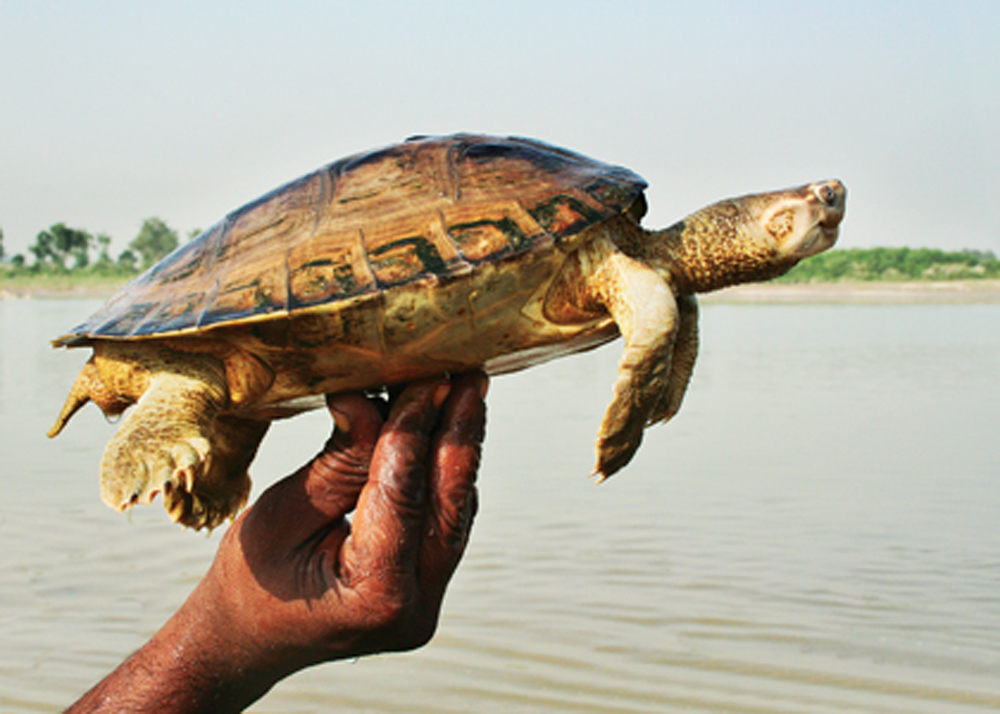
Water in the right quantity and quality is critical to the survival of aquatic biodiversity. Multiple threats take their toll, but uncontrolled and commercial exploitation by man has been the single-m...
Anthropogenic activities are primarily responsible for high groundwater nitrate which, beyond certain concentrations, can pose significant health problems. Judicious fertiliser, manure application and...
The Inland Waterways Authority of India (IWAI) was established in 1986 for development and regulation of inland waterways for shipping and navigation. The Authority primarily undertakes projects for d...
Despite being rich in natural resources Odisha is home to the poorest people of India. The government promises growth through development, opening up this region to rampant mining. The impact of this on water and other resources on the contrary is exacerbating the plight of the indigenous population. Is this then the way forward?
Water in the right quantity and quality is critical to the survival of aquatic biodiversity. Multiple threats take their toll, but uncontrolled and commercial exploitation by man has been the single-most damaging factor to species such as freshwater turtles of the Ganga. As an indicator species, freshwater turtle can provide invaluable information on the health of river Ganga’s ecosystem. Thus con...
Anthropogenic activities are primarily responsible for high groundwater nitrate which, beyond certain concentrations, can pose significant health problems. Judicious fertiliser, manure application and waste management could minimise groundwater nitrate pollution problems.