Mercury poisoning
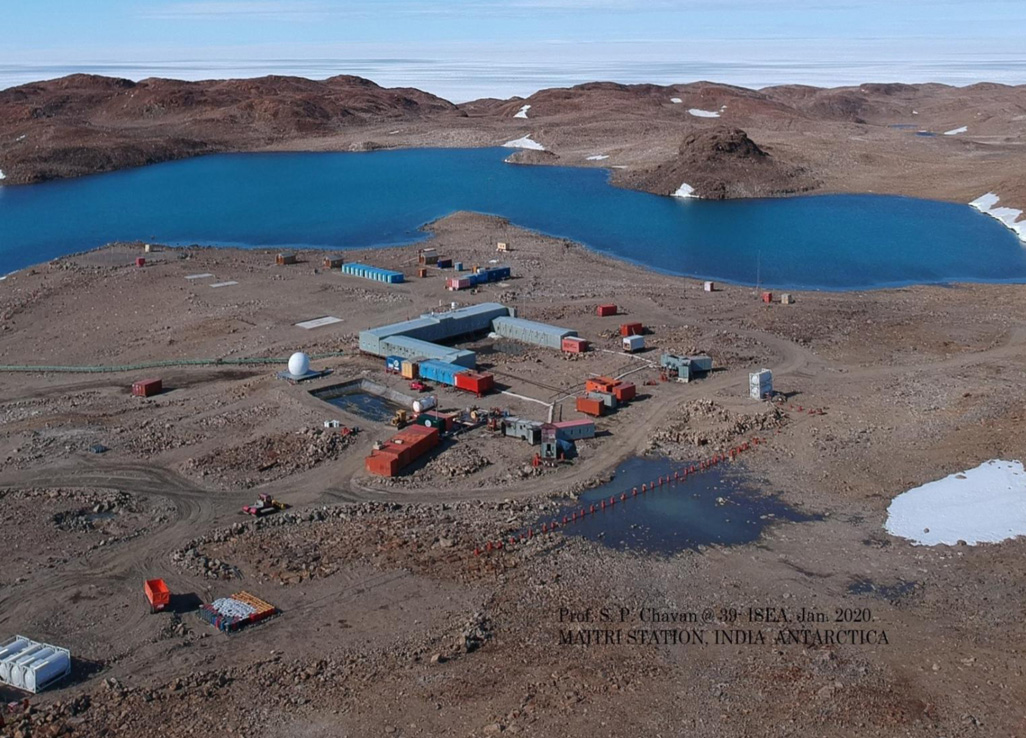
India is set to embark on a new chapter in its Polar exploration journey with the construction of Maitri II. The Indian government plans to establish a new research station near the existing Maitri ba...
The Deep Ocean Mission (DOM), approved by the Government of India in 2021 under the Ministry of Earth Sciences (MoES), represents a strategic step in realizing Sustainable Development Goal 14 (SDG 14:...
China recently announced restrictions on the export of seven rare earth elements (REEs), soon after US President Donald Trump decided to impose tariffs. As the world's dominant supplier—responsible fo...
Mercury is poisonous in any form. Neurological and behavioural disorders may be observed after inhalation, ingestion or dermal exposure of different mercury compounds.
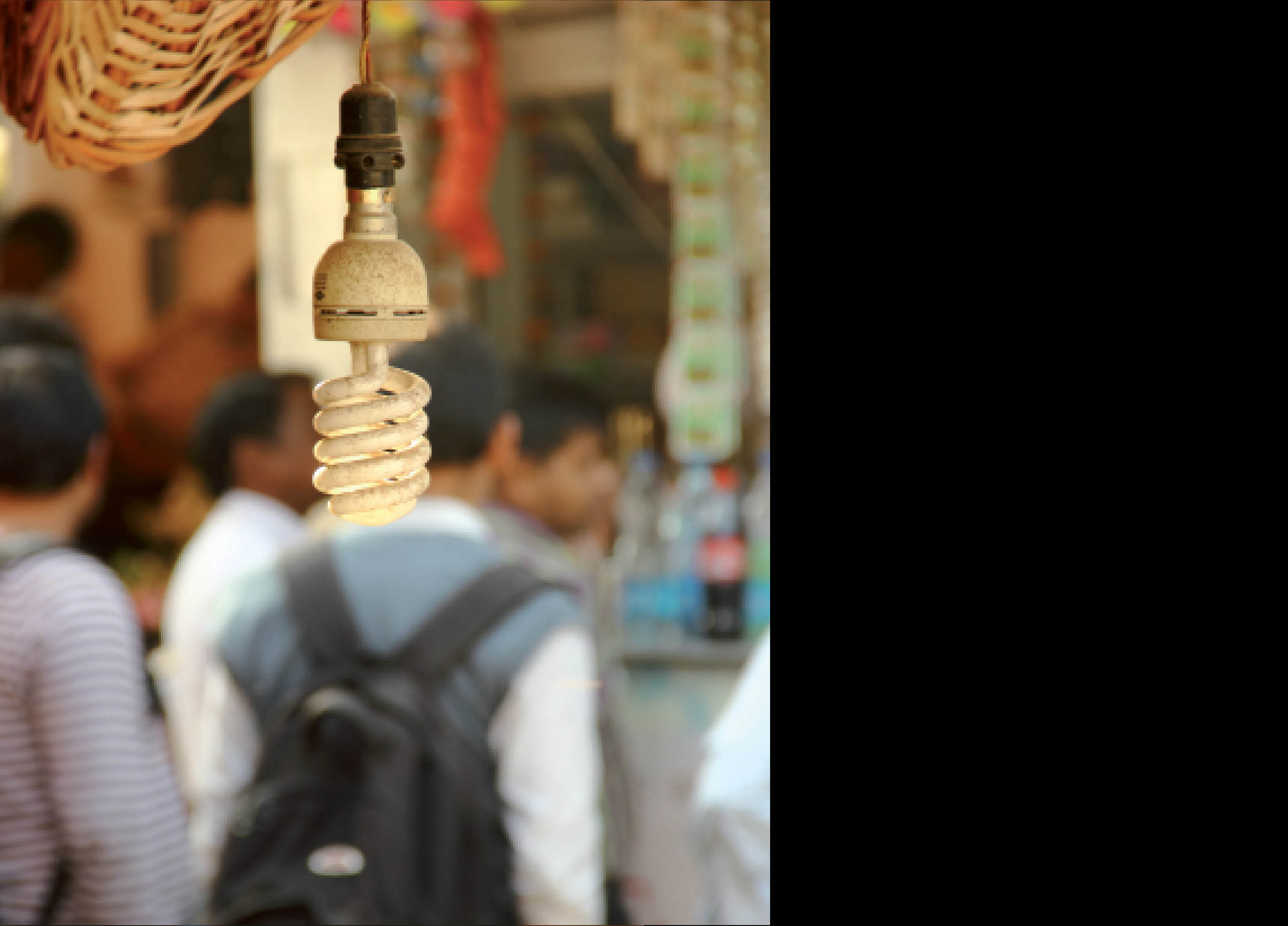
Though CFLs consume a fifth of the energy required by incandescent lamps, they contain highly toxic mercury. The absence of fixed standards for mercury content and the lack of disposal norms, even a d...
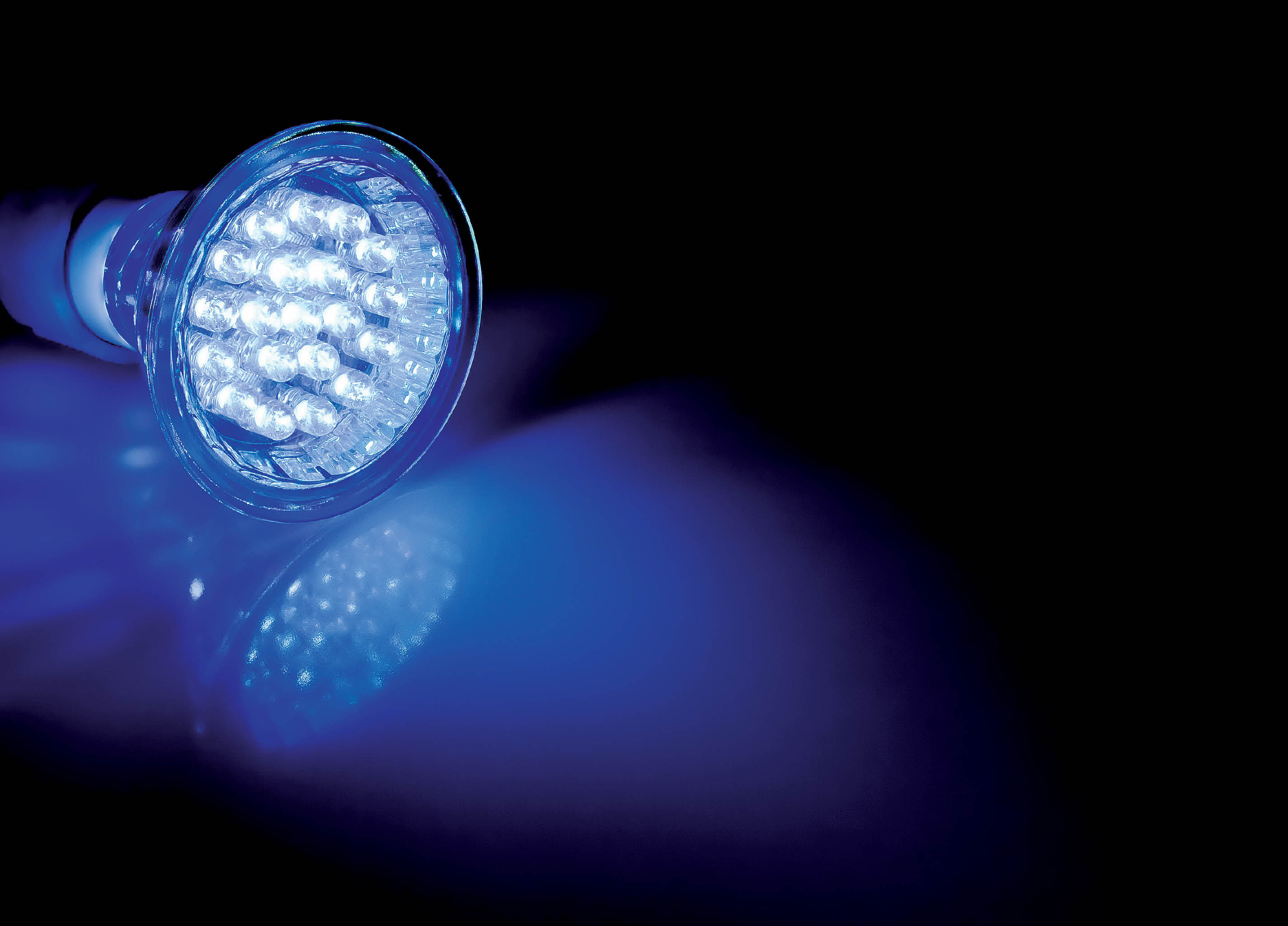
LEDs consume less energy, have better light quality and are robust. Once the drawbacks - high cost and photobiological effect - are resolved, they may allow the phase out of mercury-containing CFLs.
Mercury is poisonous in any form. Neurological and behavioural disorders may be observed after inhalation, ingestion or dermal exposure of different mercury compounds.
Though CFLs consume a fifth of the energy required by incandescent lamps, they contain highly toxic mercury. The absence of fixed standards for mercury content and the lack of disposal norms, even a decade after CFLs were introduced in India, mean there are huge quantities of mercury lying in our waste, seeping into our atmosphere and entering our food chain.
LEDs consume less energy, have better light quality and are robust. Once the drawbacks - high cost and photobiological effect - are resolved, they may allow the phase out of mercury-containing CFLs.