Burying Climate Change
Glaw Lake was recently designated as Arunachal Pradesh’s First and India’s 101st Ramsar Site. It is located within the Kamlang Tiger Reserve and Wildlife Sanctuary. It hosts diverse flora and fauna sp...
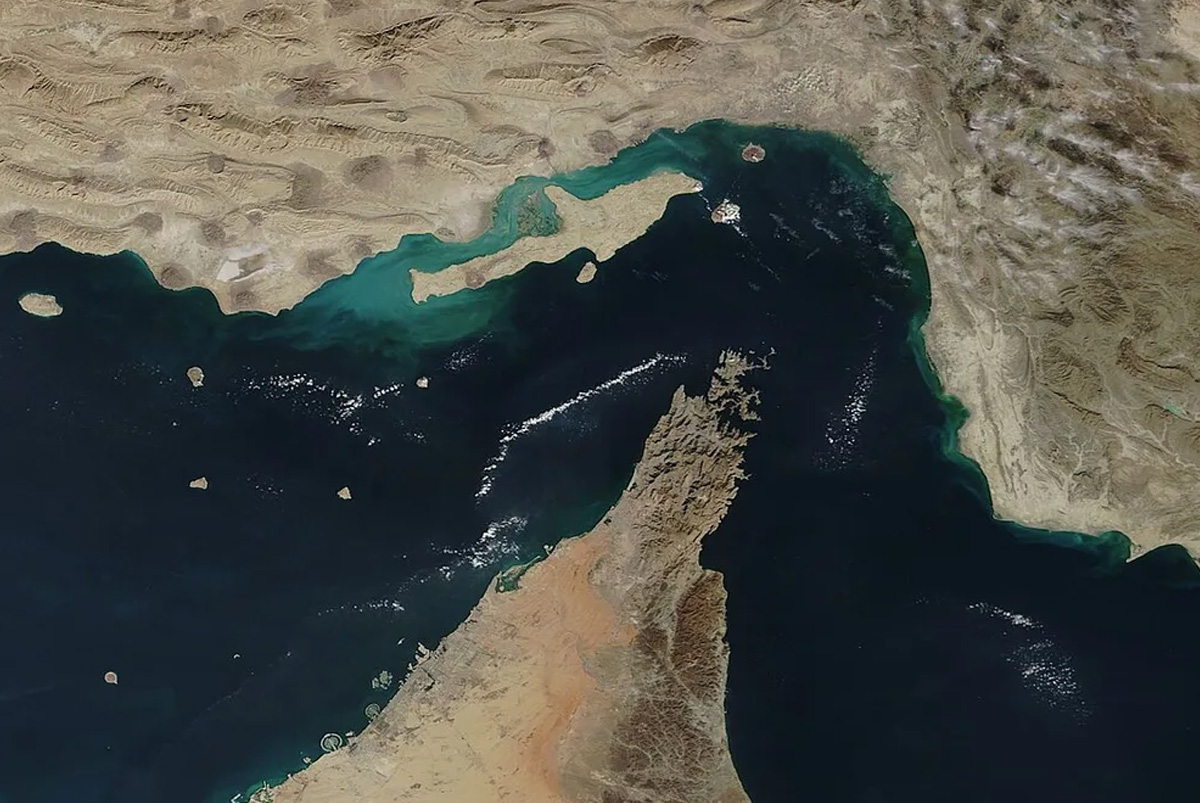
Maritime chokepoints are vital points along shipping routes that facilitate the passage of substantial trade volumes. These chokepoints control the global essential supplies such as oil, gas, fertiliz...
ENVIRONMENT, EARTH SCIENCE, BIODIVERSITY, E ARTICLE
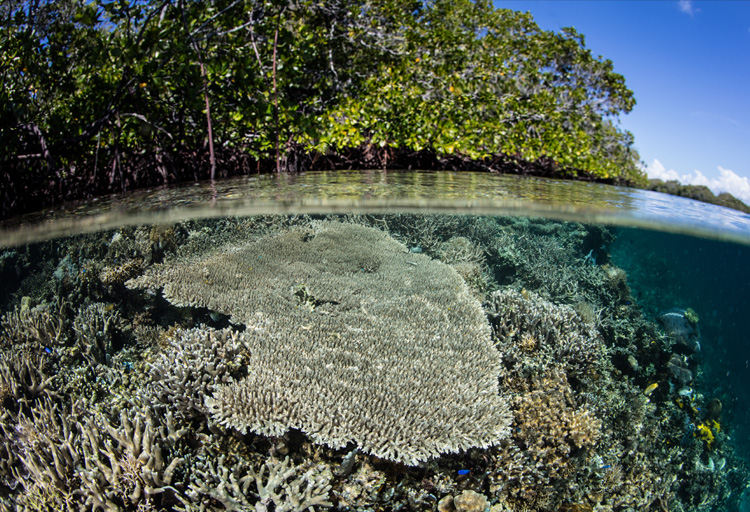
What if India's pathway to net zero does not end at factories—but begins where terrestrial meets the coastal? As carbon emissions rise and climate risks intensify, the search for solutions has largely...
Issues of regulated generation of carbon dioxide have remained unresolved despite prolific attempts at global forums. The clash between carbon crediting and economic development has made the debate fu...
The intensity and variability of monsoon rain depend upon several parameters of atmospheric circulation, which in turn are interlinked with global climate. Changes in global temperatures are likely to...
Of India’s more than one billion people, about 68 per cent are directly or indirectly dependent on agriculture even today. Despite rapid technological interventions, about two thirds of India’s agricu...
Apprehensions about climate change continue to rise, despite our limited ability to make precise assessments of its impact. This is partly due to the complexity of chemical and physical processes at v...
Issues of regulated generation of carbon dioxide have remained unresolved despite prolific attempts at global forums. The clash between carbon crediting and economic development has made the debate further complicated. The essay suggests several alternatives as mechanisms to reduce carbon dioxide generation including prospects of burying it deep down the earth.
The intensity and variability of monsoon rain depend upon several parameters of atmospheric circulation, which in turn are interlinked with global climate. Changes in global temperatures are likely to make about 1500 billion cubic metres of surplus rainwater annually available. To capture this, and to cope up with variability, India would need to develop appropriate science, technology and skill.
Of India’s more than one billion people, about 68 per cent are directly or indirectly dependent on agriculture even today. Despite rapid technological interventions, about two thirds of India’s agricultural area remain rainfed and vulnerable to present day climate variability. The implications of climate change is yet not very clear, although scholars agree that global climate change will lead to...