Arunachal’s Wetland Wonder: Glaw Lake Earns India’s 101st Ramsar Recognition
Glaw Lake was recently designated as Arunachal Pradesh’s First and India’s 101st Ramsar Site. It is located within the Kamlang Tiger Reserve and Wildlife Sanctuary. It hosts diverse flora and fauna sp...
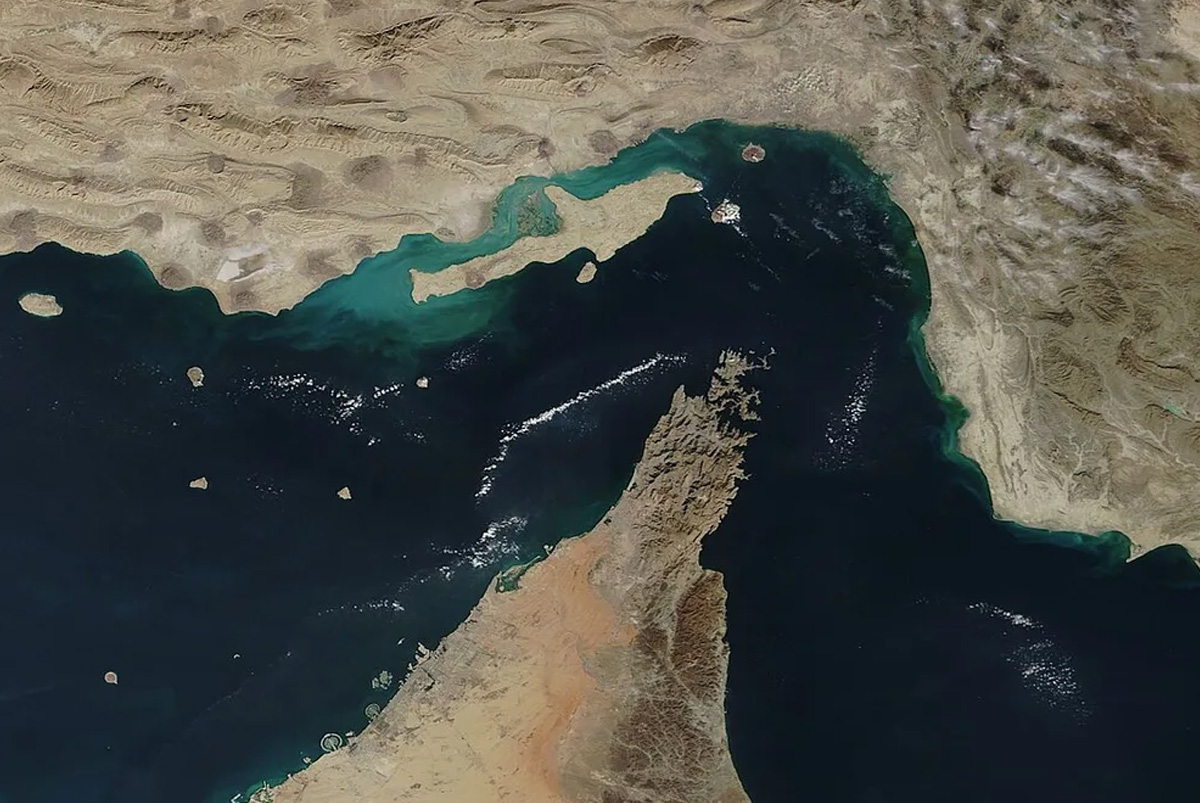
Maritime chokepoints are vital points along shipping routes that facilitate the passage of substantial trade volumes. These chokepoints control the global essential supplies such as oil, gas, fertiliz...
ENVIRONMENT, EARTH SCIENCE, BIODIVERSITY, E ARTICLE
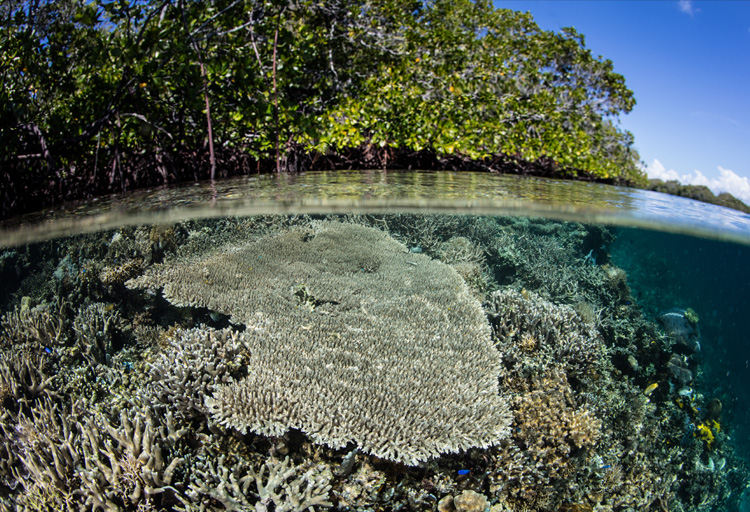
What if India's pathway to net zero does not end at factories—but begins where terrestrial meets the coastal? As carbon emissions rise and climate risks intensify, the search for solutions has largely...
Glaw Lake was recently designated as Arunachal Pradesh’s First and India’s 101st Ramsar Site. It is located within the Kamlang Tiger Reserve and Wildlife Sanctuary. It hosts diverse flora and fauna sp...
ENVIRONMENT, EARTH SCIENCE, BIODIVERSITY, E ARTICLE
What if India's pathway to net zero does not end at factories—but begins where terrestrial meets the coastal? As carbon emissions rise and climate risks intensify, the search for solutions has largely...
Oceanic ecosystems remain to be least known and least discovered ecosystems. Marine strandings are often the primary source of information on myriad marine species and the threats that they face. In I...
Desert locust, Schistocerca gregaria is a type of grasshopper that exhibits density-dependent polyphensim. The gregarious phase occurs when huge swarms of winged adult locusts embark on spectacular ma...
Glaw Lake was recently designated as Arunachal Pradesh’s First and India’s 101st Ramsar Site. It is located within the Kamlang Tiger Reserve and Wildlife Sanctuary. It hosts diverse flora and fauna species, including four big cat species. The Ramsar site is also a sacred place for the local Mishmi community.
ENVIRONMENT, EARTH SCIENCE, BIODIVERSITY, E ARTICLE
What if India's pathway to net zero does not end at factories—but begins where terrestrial meets the coastal? As carbon emissions rise and climate risks intensify, the search for solutions has largely remained confined to land-based approaches. Yet beneath the waves lies an overlooked trillion-dollar economic and ecological frontier, one that can absorb carbon, shield coastlines, and sustain growt...
Oceanic ecosystems remain to be least known and least discovered ecosystems. Marine strandings are often the primary source of information on myriad marine species and the threats that they face. In India, marine stranding networks are still being developed. The paper discusses a unique and robust model of a marine stranding network for the coastal state of Goa that involves public-private partner...