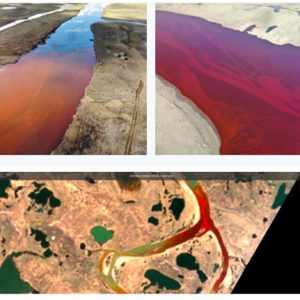
Massive Oil Spill in The Arctic Region – Russia Declares A Federal Emergency
Glaw Lake was recently designated as Arunachal Pradesh’s First and India’s 101st Ramsar Site. It is located within the Kamlang Tiger Reserve and Wildlife Sanctuary. It hosts diverse flora and fauna sp...
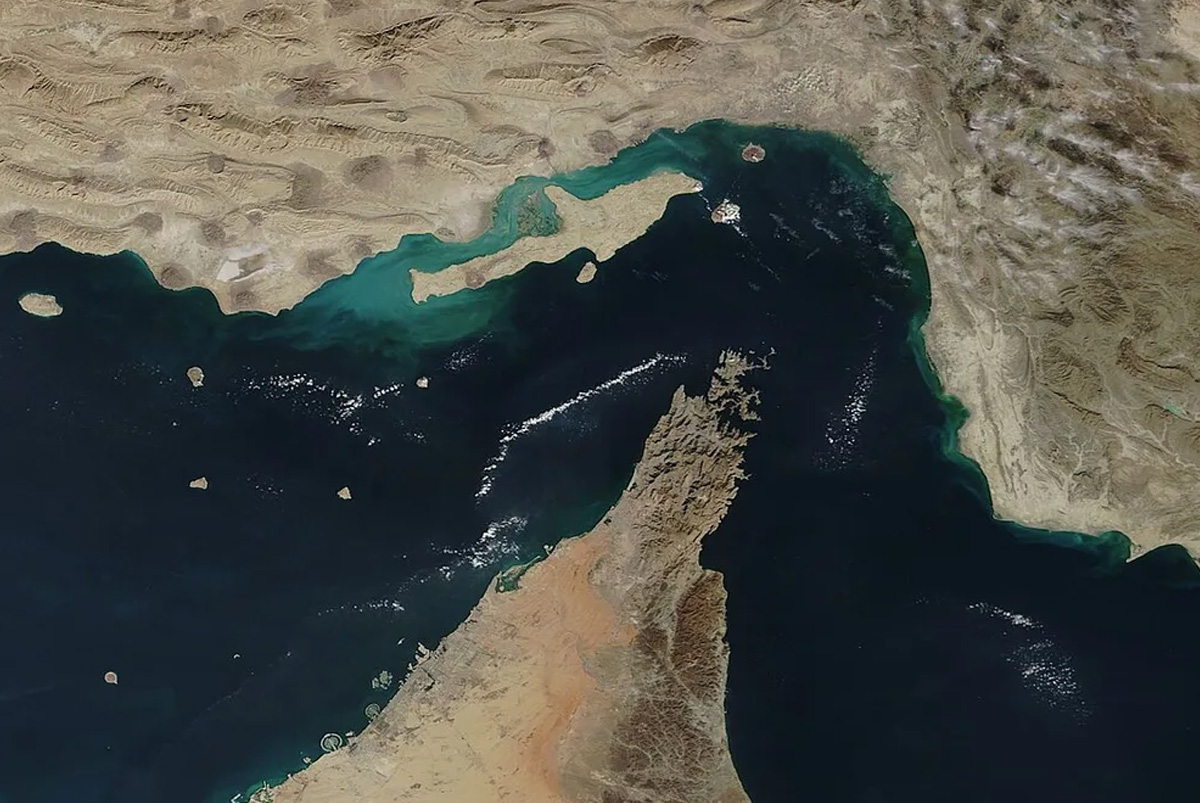
Maritime chokepoints are vital points along shipping routes that facilitate the passage of substantial trade volumes. These chokepoints control the global essential supplies such as oil, gas, fertiliz...
ENVIRONMENT, EARTH SCIENCE, BIODIVERSITY, E ARTICLE
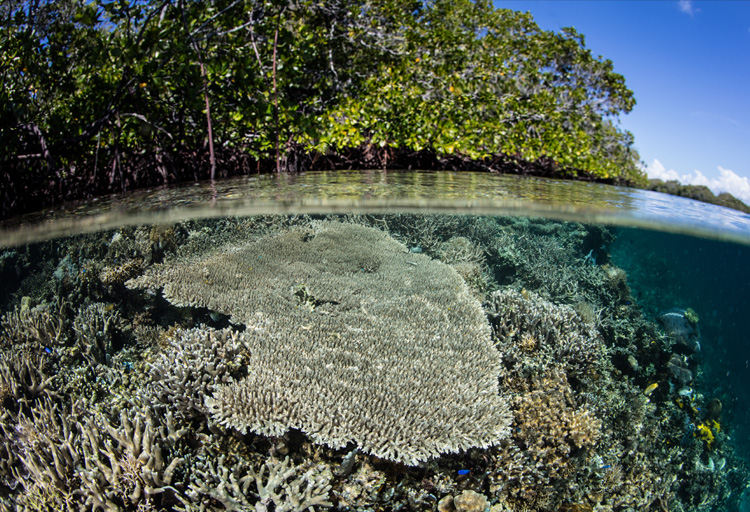
What if India's pathway to net zero does not end at factories—but begins where terrestrial meets the coastal? As carbon emissions rise and climate risks intensify, the search for solutions has largely...
<p>A national-level state of emergency has been declared by the Russian President Vladimir Putin in the regions of Norilsk and Taimyr, northern Siberia. The declared state of emergency in these Arctic...
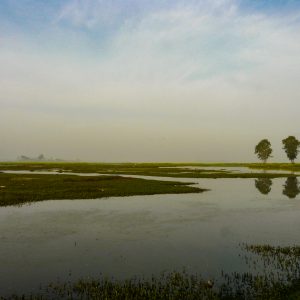
<p>The article details the author’s experience during a visit to a remote and dying wetland nestled between the India-Pakistan border in the state of Jammu and Kashmir. The status of the conservation...
<p>Climate change indicators are observations that can be used to track the current state of climate and its trends. In order to bring objectivity in monitoring climate change, scientists have develop...
<p>A national-level state of emergency has been declared by the Russian President Vladimir Putin in the regions of Norilsk and Taimyr, northern Siberia. The declared state of emergency in these Arctic regions is to bring in the ‘federal resources’ to assist the arduous clean-up efforts following a spill of more than 20,000 tonnes of diesel […]</p>
<p>The article details the author’s experience during a visit to a remote and dying wetland nestled between the India-Pakistan border in the state of Jammu and Kashmir. The status of the conservation efforts and the unique social challenges associated with the effort is detailed from the accounts of the author’s field experience in the wetland.</p>
<p>Climate change indicators are observations that can be used to track the current state of climate and its trends. In order to bring objectivity in monitoring climate change, scientists have developed climate change indicators. The indicators are quantified and objective, based on data collected by countries all over the world. These demonstrate considerable change of climate over time.</p>