Climate Change and Marine Mammals in the Arctic
Student distress is an increasingly recognised concern, poignantly reflected in the rising instances of student suicides across institutions of higher learning in India. Despite institutional mechanis...
ENVIRONMENT, FORESTS, BIODIVERSITY
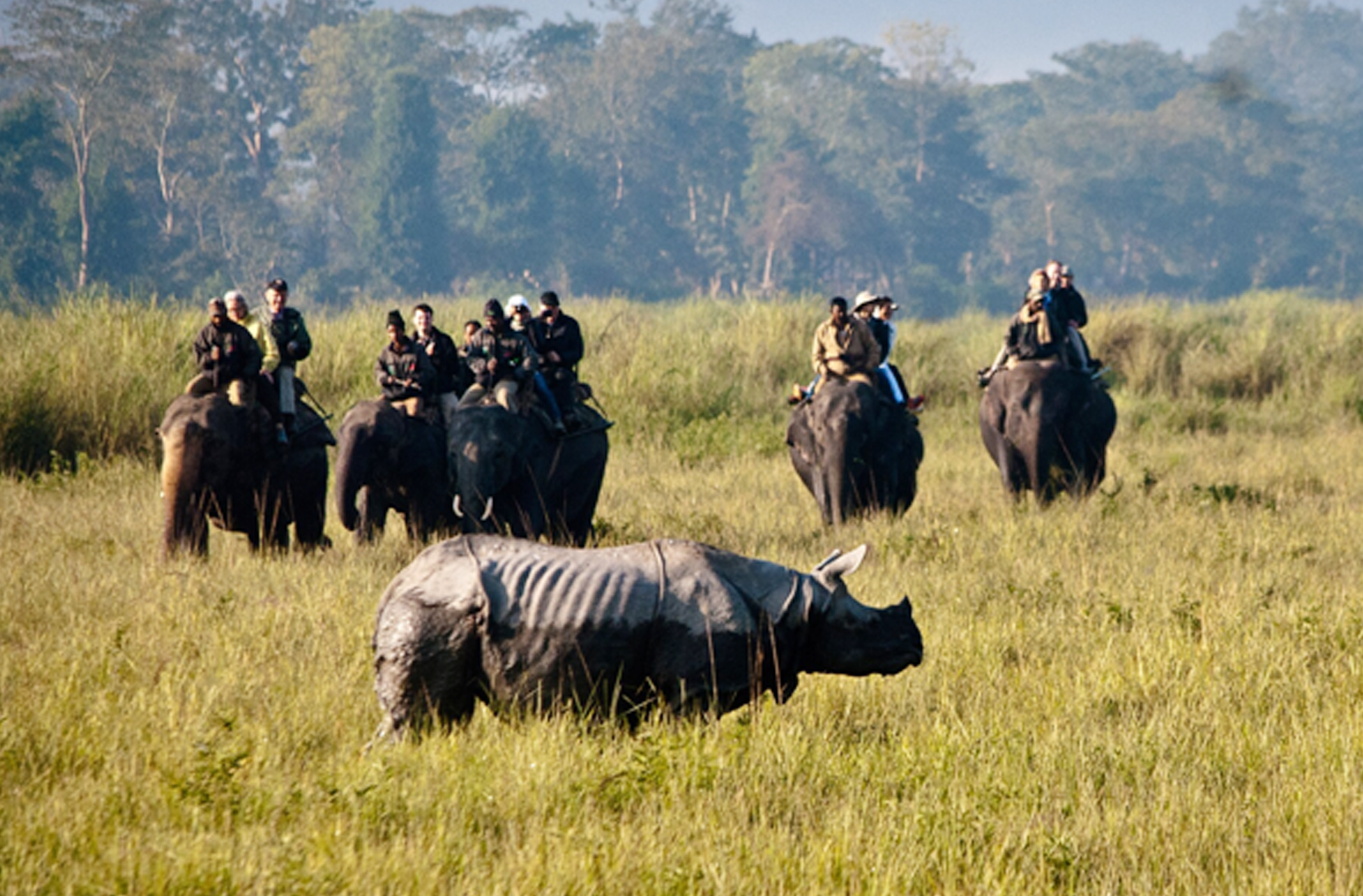
Assam Chief Minister Himanta Biswa Sarma has announced plans to reduce the Kaziranga Eco-Sensitive Zone (ESZ) to one km as opposed to the current 10 km. The state government’s intention has raised con...
Glaw Lake was recently designated as Arunachal Pradesh’s First and India’s 101st Ramsar Site. It is located within the Kamlang Tiger Reserve and Wildlife Sanctuary. It hosts diverse flora and fauna sp...
<p>The effects of climate change are being felt in the Arctic more immediately and severely than in most other regions in the world. Even inferentially, the Arctic is warming at a rate that is two tim...
<p>Snow that settles on the surface falls over previous layers of snow, and with the passage of time, these become compressed to form glacial ice. Each layer in the ice core, like in soil deposits vis...
<p> Instead of relying on individual incidents, a change in climactic patterns as indicated by changes in climactic zones as defined in widely accepted systems such as the Koppen-Geiger and Koppen-Tre...
<p>Black carbon is a substance responsible for up to 40 per cent of the effects of global warming till date (Philadelphia Tribune, 2017), most of it made up of soot. Black carbon is a form of particul...
<p>The effects of climate change are being felt in the Arctic more immediately and severely than in most other regions in the world. Even inferentially, the Arctic is warming at a rate that is two times that of the global average.</p>
<p>Snow that settles on the surface falls over previous layers of snow, and with the passage of time, these become compressed to form glacial ice. Each layer in the ice core, like in soil deposits visible in certain canyons at other parts of the Earth, represents snow that had fallen at a certain time in the past.</p>
<p> Instead of relying on individual incidents, a change in climactic patterns as indicated by changes in climactic zones as defined in widely accepted systems such as the Koppen-Geiger and Koppen-Trewartha climate classification models could suggest that climate change is indeed forcing changes in the Earth’s climatic patterns.</p>