Bridging demand to curb illegal sand mining
What if India's pathway to net zero does not end at factories—but begins where terrestrial meets the coastal? As carbon emissions rise and climate risks intensify, the search for solutions has largely...
India is set to embark on a new chapter in its Polar exploration journey with the construction of Maitri II. The Indian government plans to establish a new research station near the existing Maitri ba...
The Deep Ocean Mission (DOM), approved by the Government of India in 2021 under the Ministry of Earth Sciences (MoES), represents a strategic step in realizing Sustainable Development Goal 14 (SDG 14:...
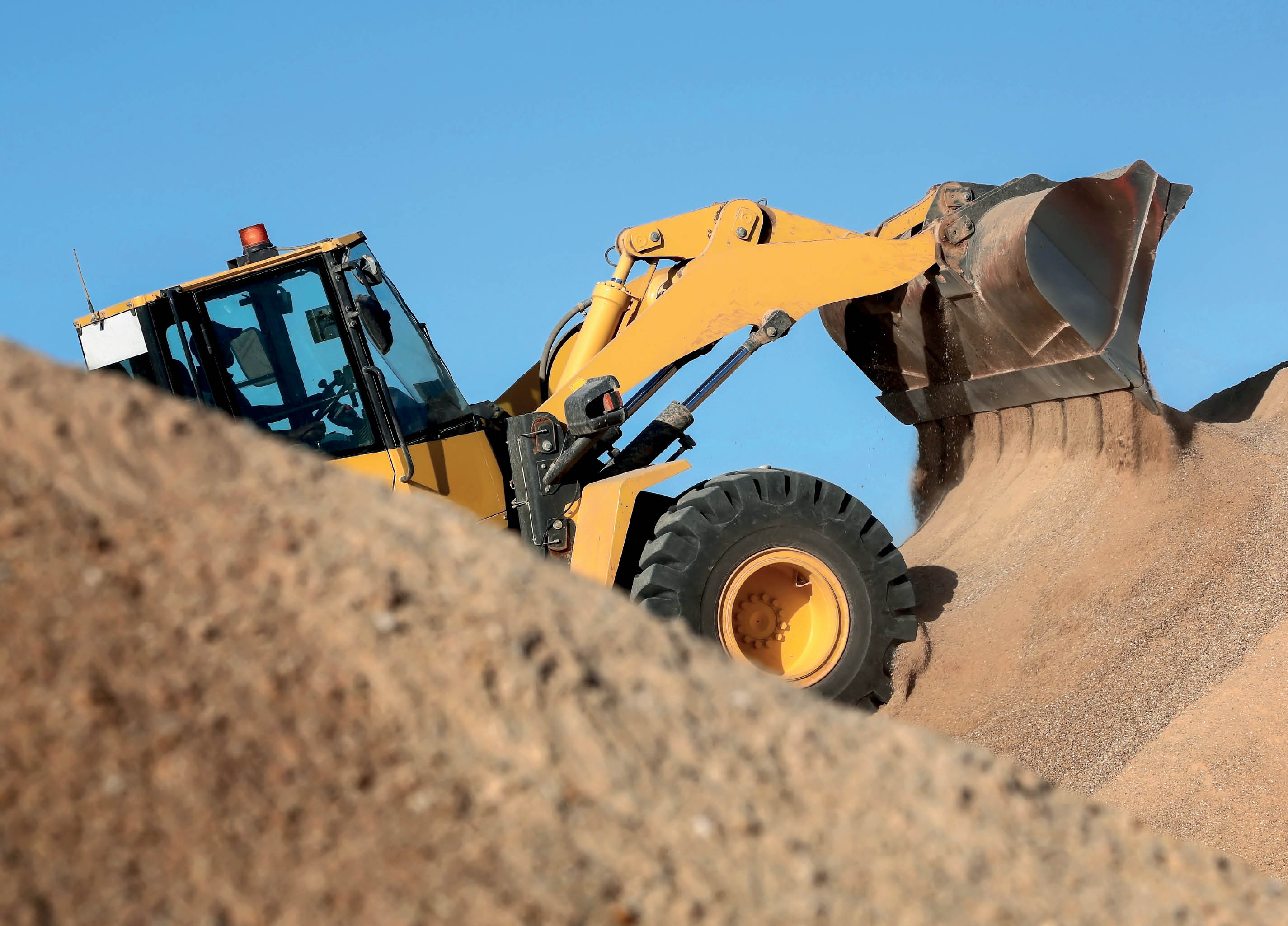
While sand is an important material in the construction industry, the burgeoning demand for sand is leading to illegal sand mining at many places across the country. Excessive sand mining has a huge e...
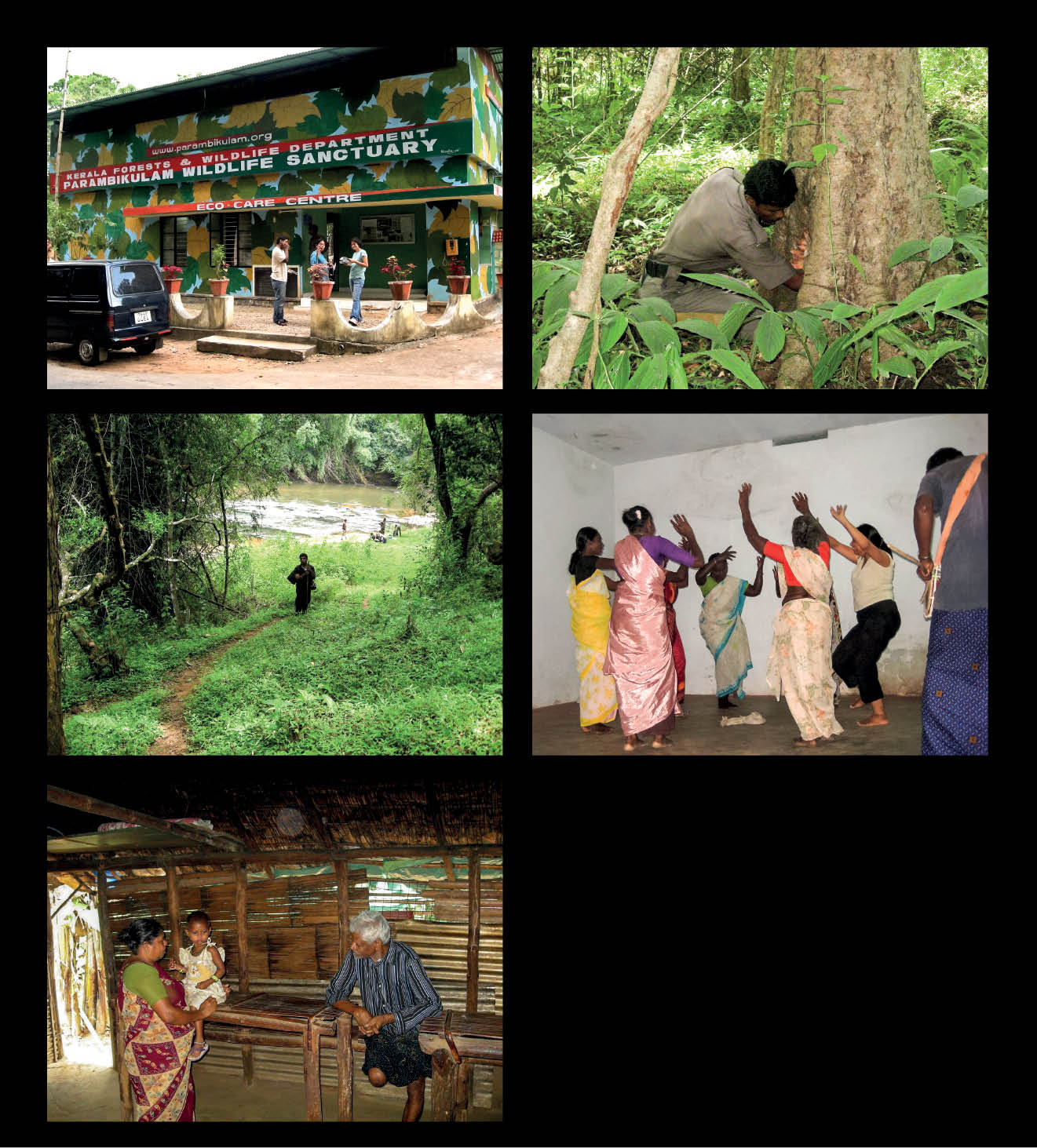
The Kerala Forest Department, through its unique model of community engagement, has involved the forest dwellers in the Parambikulam Tiger Reserve area to safeguard the forest, and provide a livelihoo...
The 68th round of National Sample Survey (2012) indicates that though the economic growth is pushing up income and consumption levels of the average Indian faster than before, income disparity is gett...
Despite India’s big improvements, its human development index (HDI) score is ranked at 136 in a list of 186 countries, according to the United Nations Development Programme report, 2013. Meanwhile, a...
While sand is an important material in the construction industry, the burgeoning demand for sand is leading to illegal sand mining at many places across the country. Excessive sand mining has a huge ecological impact and there is an urgent need for alternatives to bridge the demand supply gap.
The Kerala Forest Department, through its unique model of community engagement, has involved the forest dwellers in the Parambikulam Tiger Reserve area to safeguard the forest, and provide a livelihood opportunity. The benefit—greater vigilance amounting to no poaching cases ever since the approach began in 2006.
The 68th round of National Sample Survey (2012) indicates that though the economic growth is pushing up income and consumption levels of the average Indian faster than before, income disparity is getting sharper, especially in rural India. Also, the share of food expenditure in household consumption has declined since 1993-1994, with a simultaneous decline in calorie intake.