Beach Surgery: India’s Medical Tourism
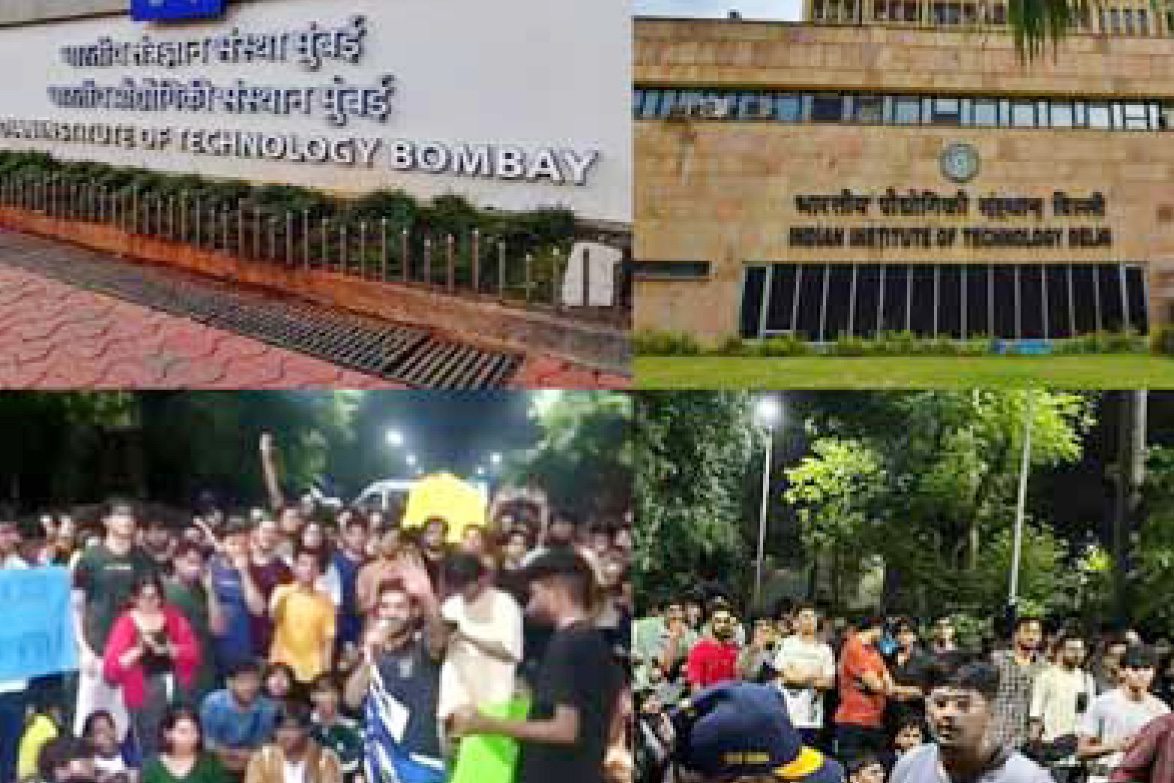
Student distress is an increasingly recognised concern, poignantly reflected in the rising instances of student suicides across institutions of higher learning in India. Despite institutional mechanis...
ENVIRONMENT, FORESTS, BIODIVERSITY
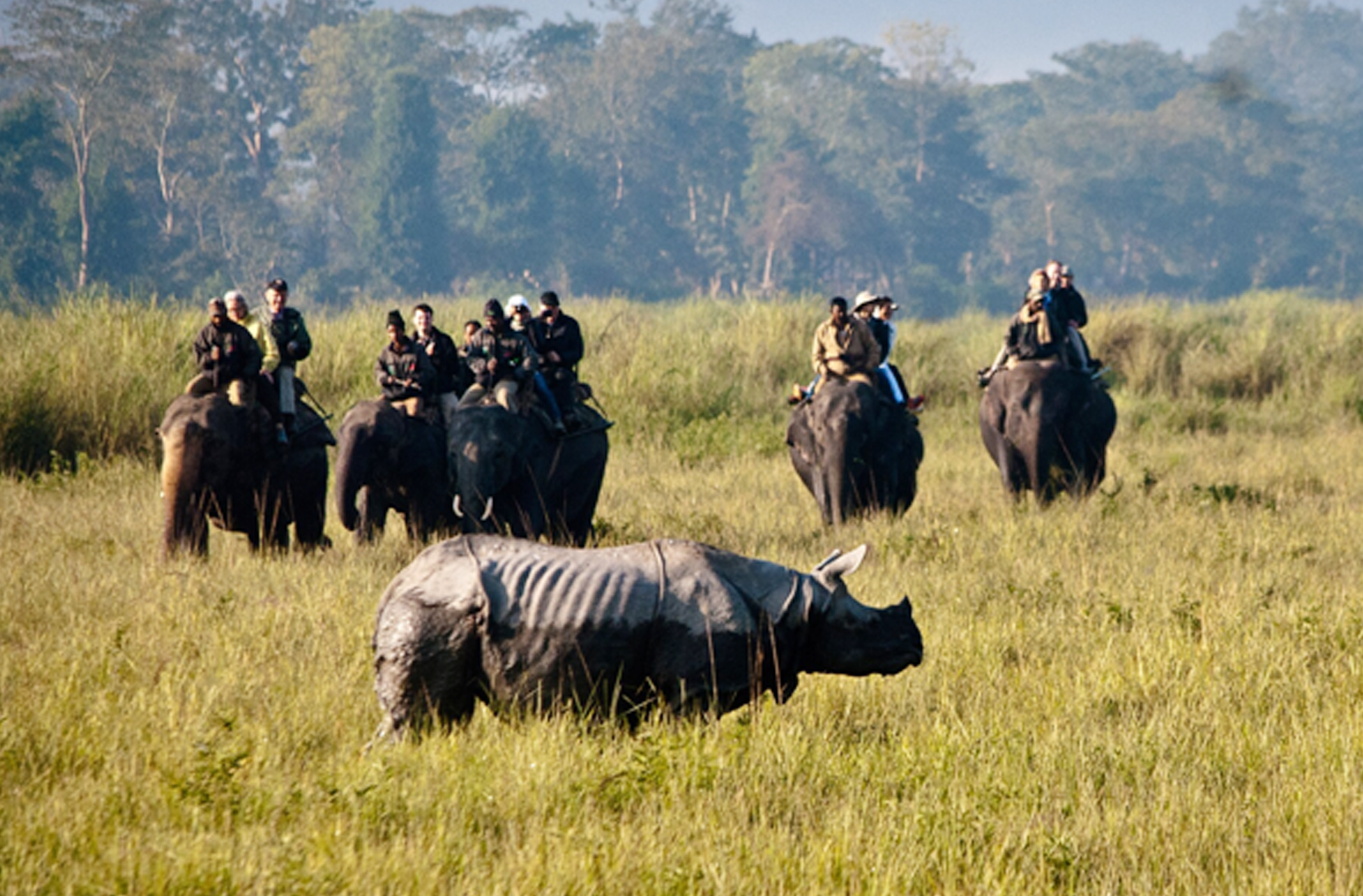
Assam Chief Minister Himanta Biswa Sarma has announced plans to reduce the Kaziranga Eco-Sensitive Zone (ESZ) to one km as opposed to the current 10 km. The state government’s intention has raised con...
Glaw Lake was recently designated as Arunachal Pradesh’s First and India’s 101st Ramsar Site. It is located within the Kamlang Tiger Reserve and Wildlife Sanctuary. It hosts diverse flora and fauna sp...
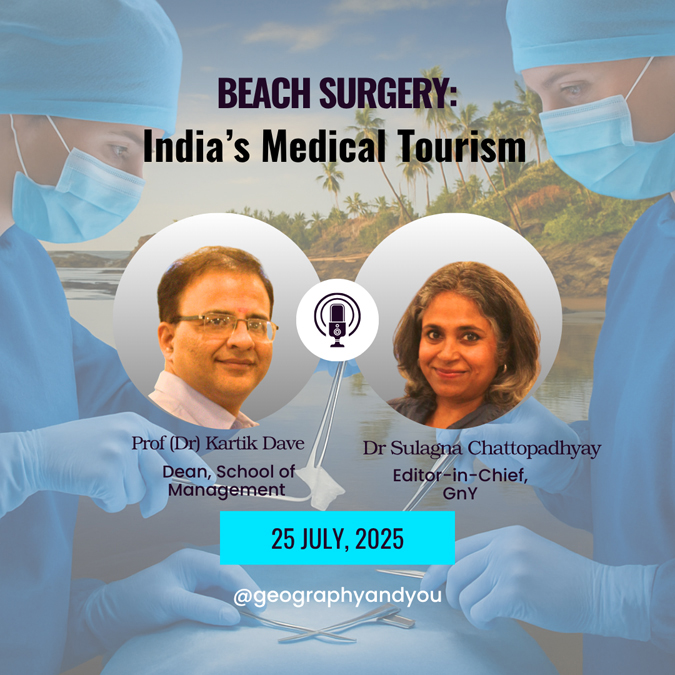
India has emerged as a significant global destination for medical tourism, attracting more than two million international patients annually[1]. Offering services ranging from complex cardiac surgeries...
India's rivers, once the cradle of civilization and culture, are today a site of deep ecological distress. While Sustainable Development Goal 6 (SDG 6) advocates for clean water and sanitation for all...
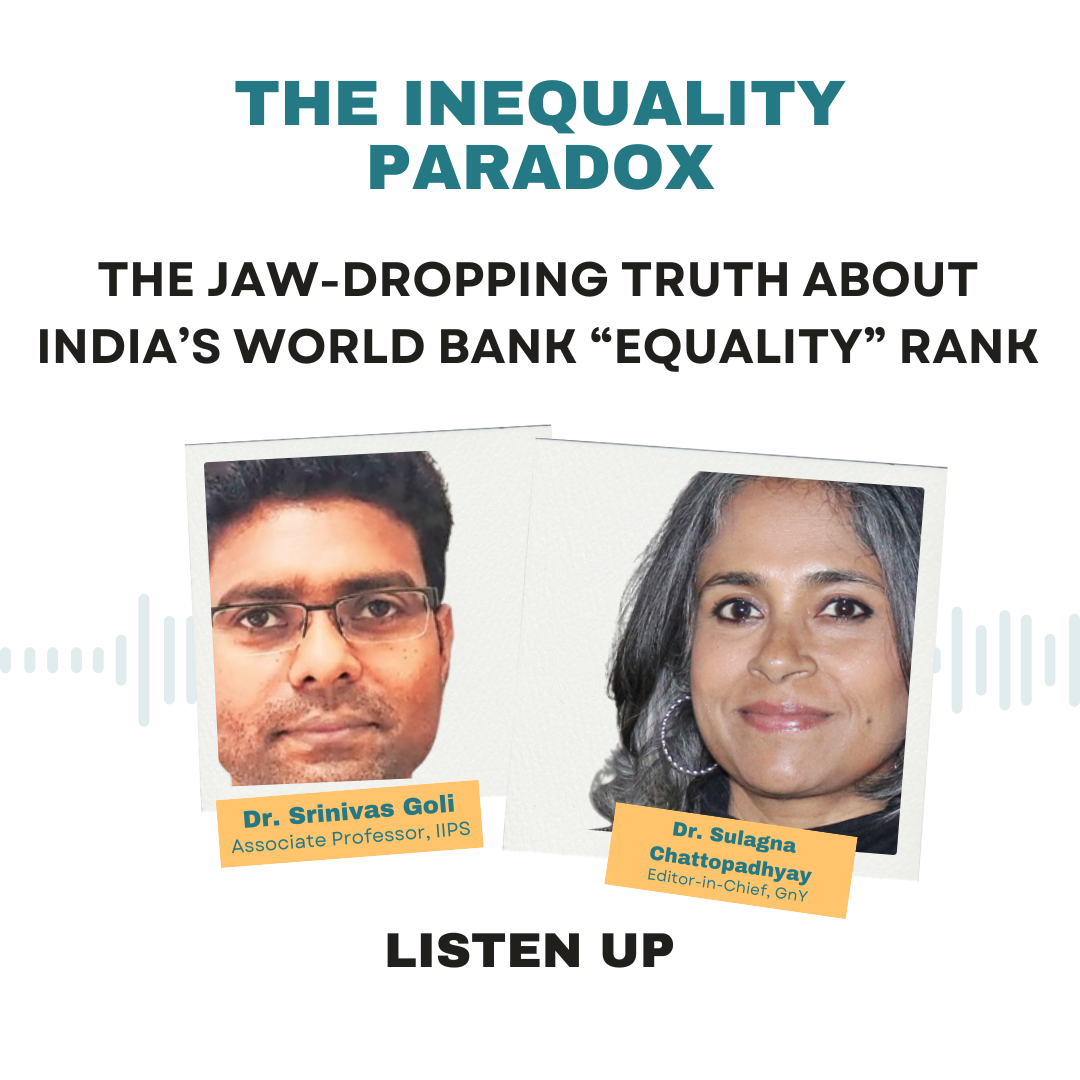
The recent World Bank report that ranks India as the fourth most equal country globally has sparked a critical debate on the measures and metrics behind inequality rankings and poverty reduction. The...
This article investigates the evolving understanding of sustainability by tracing its roots through geological epochs, civilizational collapses, demographic surges, and contemporary climate challenges...
India has emerged as a significant global destination for medical tourism, attracting more than two million international patients annually[1]. Offering services ranging from complex cardiac surgeries and organ transplants to holistic wellness therapies rooted in traditional knowledge systems, India positions itself at the crossroads of clinical expertise and cultural healing. This article critica...
India's rivers, once the cradle of civilization and culture, are today a site of deep ecological distress. While Sustainable Development Goal 6 (SDG 6) advocates for clean water and sanitation for all by 2030, India’s river systems tell a different story: of drying channels, vanishing ecological flows, rampant pollution, and unaccountable dam-building practices. The hydropower projects in Uttarakh...
The recent World Bank report that ranks India as the fourth most equal country globally has sparked a critical debate on the measures and metrics behind inequality rankings and poverty reduction. The conversation decodes the data sources, methodological inconsistencies, and paradoxes in economic inequality indicators such as the Gini coefficient and income or wealth shares by different classes of...