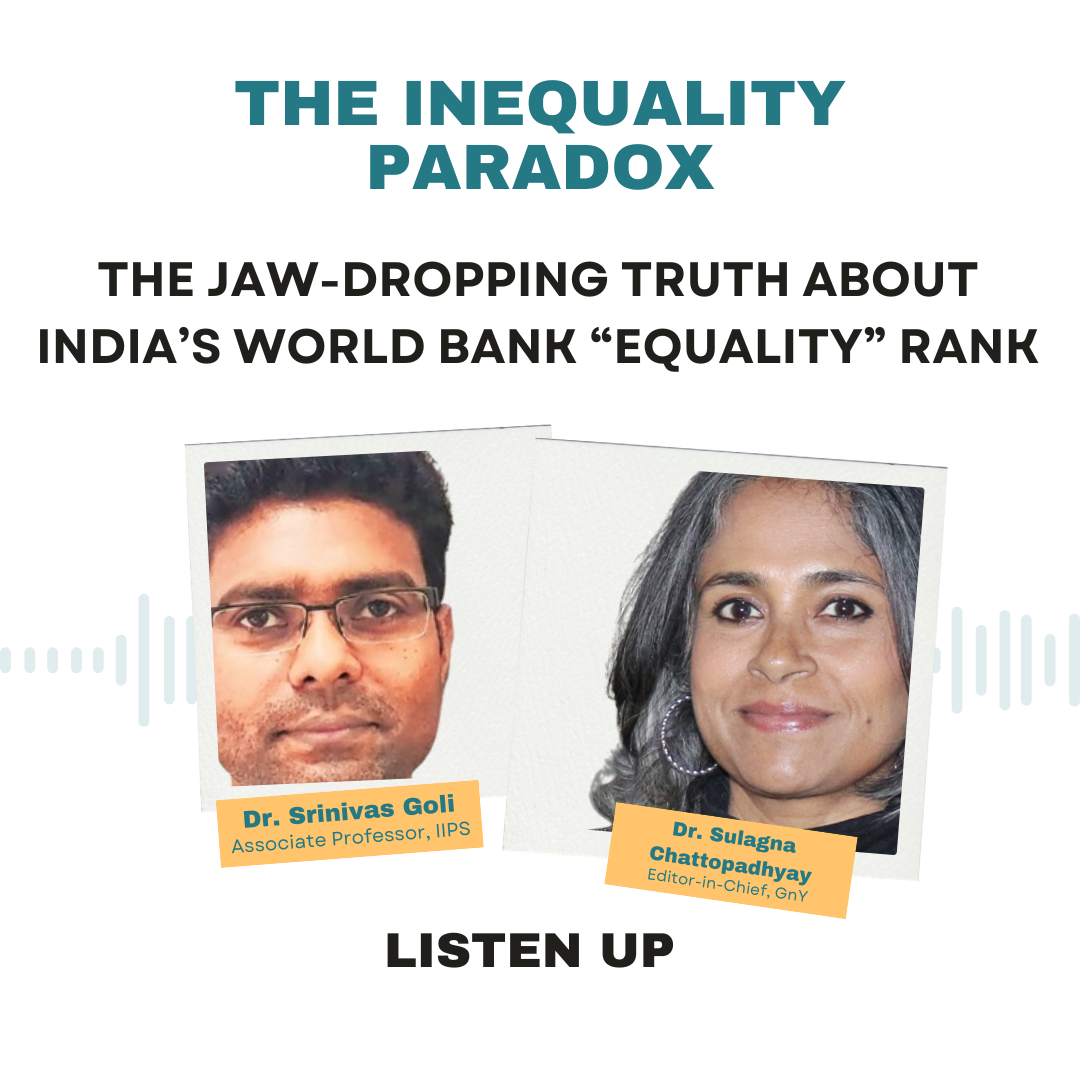
Abstract: The recent World Bank report that ranks India as the fourth most equal country globally has sparked a critical debate on the measures and metrics behind inequality rankings and poverty reduction. The conversation decodes the data sources, methodological inconsistencies, and paradoxes in economic inequality indicators such as the Gini coefficient and income or wealth shares by different classes of populations. It explores why poverty decline does not necessarily translate into equality and examines the role of welfare schemes, progressive taxation, and statistical frameworks in shaping our understanding of inequality in India. This reflection offers a cautionary perspective against uncritical interpretations of global rankings and emphasizes the need for nuanced, context-aware policy responses.
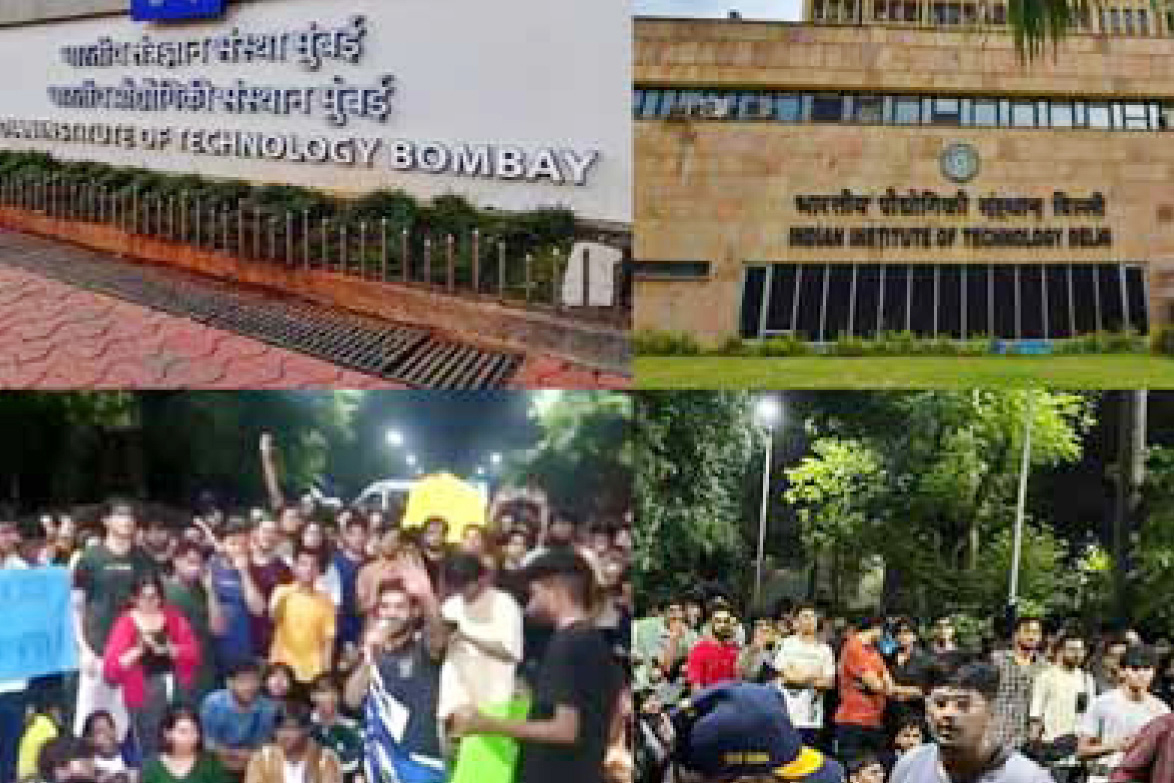
Student distress is an increasingly recognised concern, poignantly reflected in the rising instances of student suicides across institutions of higher learning in India. Despite institutional mechanis...
Assam Chief Minister Himanta Biswa Sarma has announced plans to reduce the Kaziranga Eco-Sensitive Zone (ESZ) to one km as opposed to the current 10 km. The state government’s intention has raised con...
Glaw Lake was recently designated as Arunachal Pradesh’s First and India’s 101st Ramsar Site. It is located within the Kamlang Tiger Reserve and Wildlife Sanctuary. It hosts diverse flora and fauna sp...
Maritime chokepoints are vital points along shipping routes that facilitate the passage of substantial trade volumes. These chokepoints control the global essential supplies such as oil, gas, fertiliz...