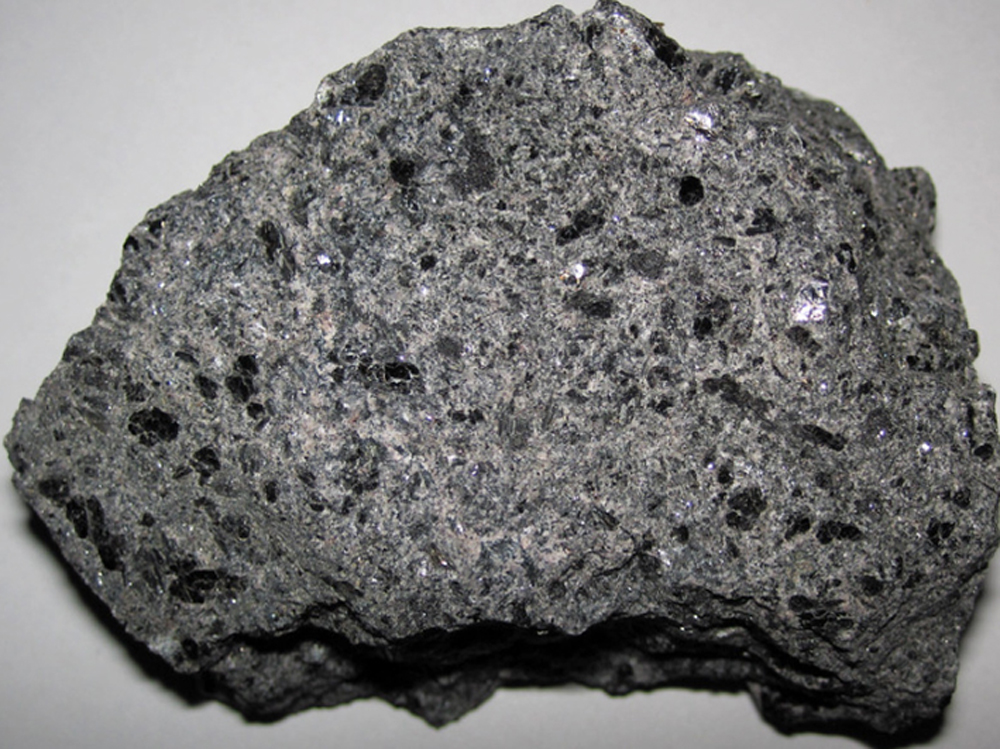
Abstract: China recently announced restrictions on the export of seven rare earth elements (REEs), soon after US President Donald Trump decided to impose tariffs. As the world's dominant supplier—responsible for over 85 to 90 per cent of rare earth processing (Jayadevan, 2025)—this decision has raised alarms across the tech, defence, and energy sectors worldwide.
But why do these obscure-sounding minerals matter so much? What gives China such leverage? And how is a country like India preparing to shield itself from these vulnerabilities? This article explores the growing significance of Rare Earth Elements (REEs), their global supply dynamics, and how India is navigating the evolving geopolitical landscape to secure its future.
Glaw Lake was recently designated as Arunachal Pradesh’s First and India’s 101st Ramsar Site. It is located within the Kamlang Tiger Reserve and Wildlife Sanctuary. It hosts diverse flora and fauna sp...
Maritime chokepoints are vital points along shipping routes that facilitate the passage of substantial trade volumes. These chokepoints control the global essential supplies such as oil, gas, fertiliz...
What if India's pathway to net zero does not end at factories—but begins where terrestrial meets the coastal? As carbon emissions rise and climate risks intensify, the search for solutions has largely...
India is set to embark on a new chapter in its Polar exploration journey with the construction of Maitri II. The Indian government plans to establish a new research station near the existing Maitri ba...