Desalination of Ocean Waters
Glaw Lake was recently designated as Arunachal Pradesh’s First and India’s 101st Ramsar Site. It is located within the Kamlang Tiger Reserve and Wildlife Sanctuary. It hosts diverse flora and fauna sp...
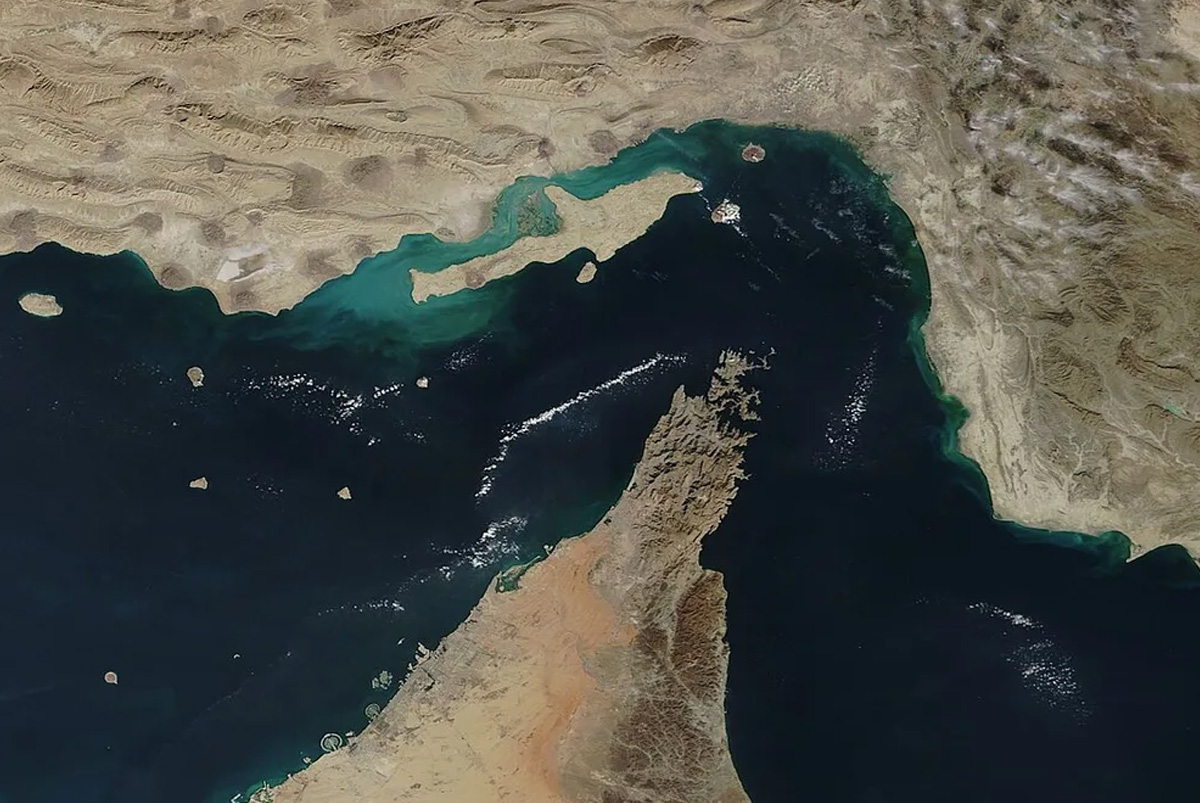
Maritime chokepoints are vital points along shipping routes that facilitate the passage of substantial trade volumes. These chokepoints control the global essential supplies such as oil, gas, fertiliz...
ENVIRONMENT, EARTH SCIENCE, BIODIVERSITY, E ARTICLE
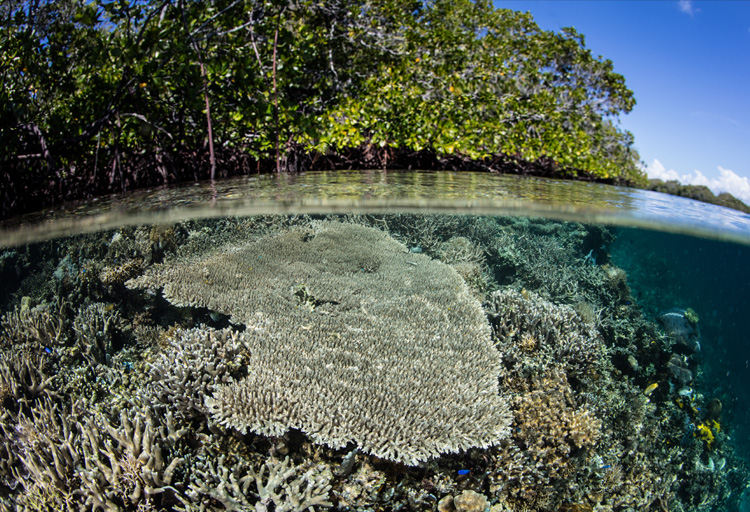
What if India's pathway to net zero does not end at factories—but begins where terrestrial meets the coastal? As carbon emissions rise and climate risks intensify, the search for solutions has largely...
Desalination of oceanic waters is an ideal solution for coastal communities such as in Lakshadweep, that are faced with a shortage of quality drinking water. When designs are simple and innovative, in...
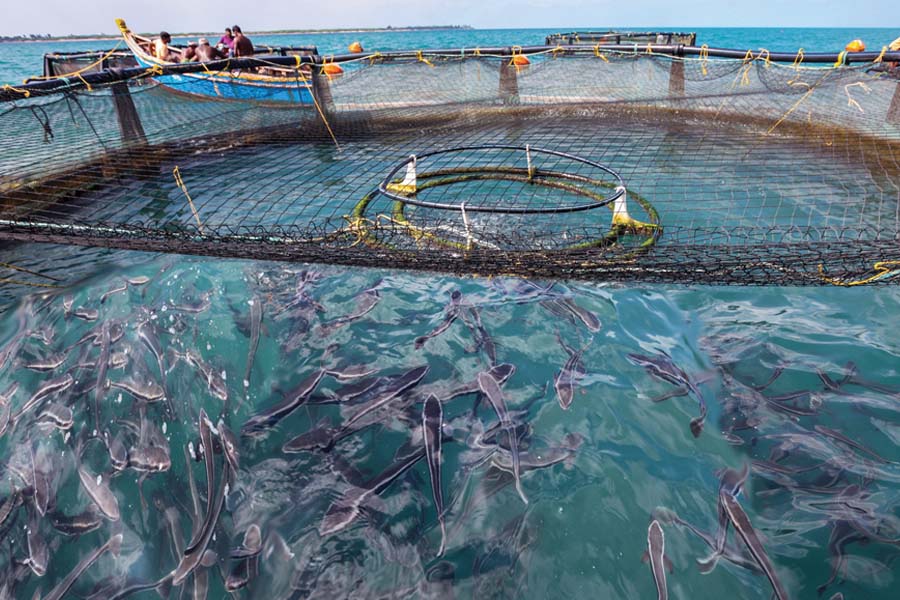
With maximum sustainable yield in capture fisheries achieved, technological innovations to increase yields seem imperative. In a recent breakthrough cages that can withstand turbulent seas have been d...
Improved technology to assess and deliver meteorological data to pilots and crew at Indian airports has made take-off and landings of flights risk-free, particularly under conditions of low visibility...
Reduced winter visibility due to fog can be a major deterrent to transport operations. The indigenously developed Drishti-transmissometers installed at Indian airports have successfully managed to ove...
Desalination of oceanic waters is an ideal solution for coastal communities such as in Lakshadweep, that are faced with a shortage of quality drinking water. When designs are simple and innovative, in keeping with local conditions, communities and local authorities can successfully maintain them on handover.
With maximum sustainable yield in capture fisheries achieved, technological innovations to increase yields seem imperative. In a recent breakthrough cages that can withstand turbulent seas have been developed and tested successfully by the NIOT.
Improved technology to assess and deliver meteorological data to pilots and crew at Indian airports has made take-off and landings of flights risk-free, particularly under conditions of low visibility.