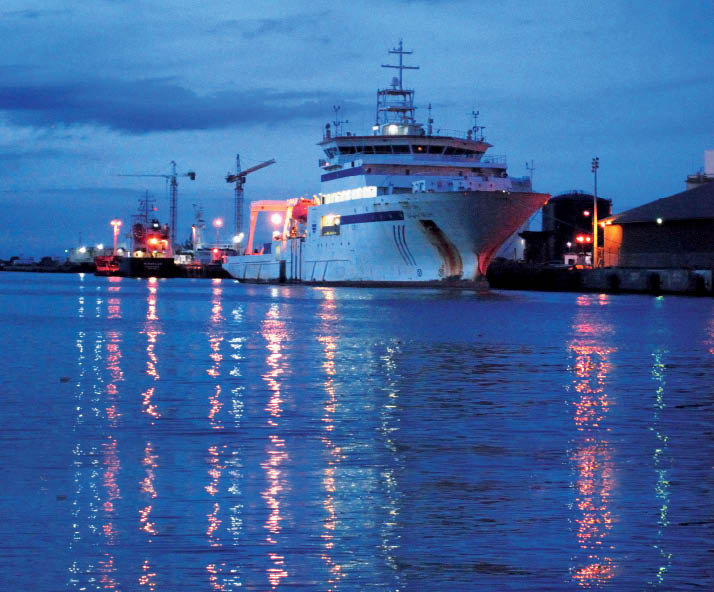
Quarter Century of Ocean Technology
Glaw Lake was recently designated as Arunachal Pradesh’s First and India’s 101st Ramsar Site. It is located within the Kamlang Tiger Reserve and Wildlife Sanctuary. It hosts diverse flora and fauna sp...
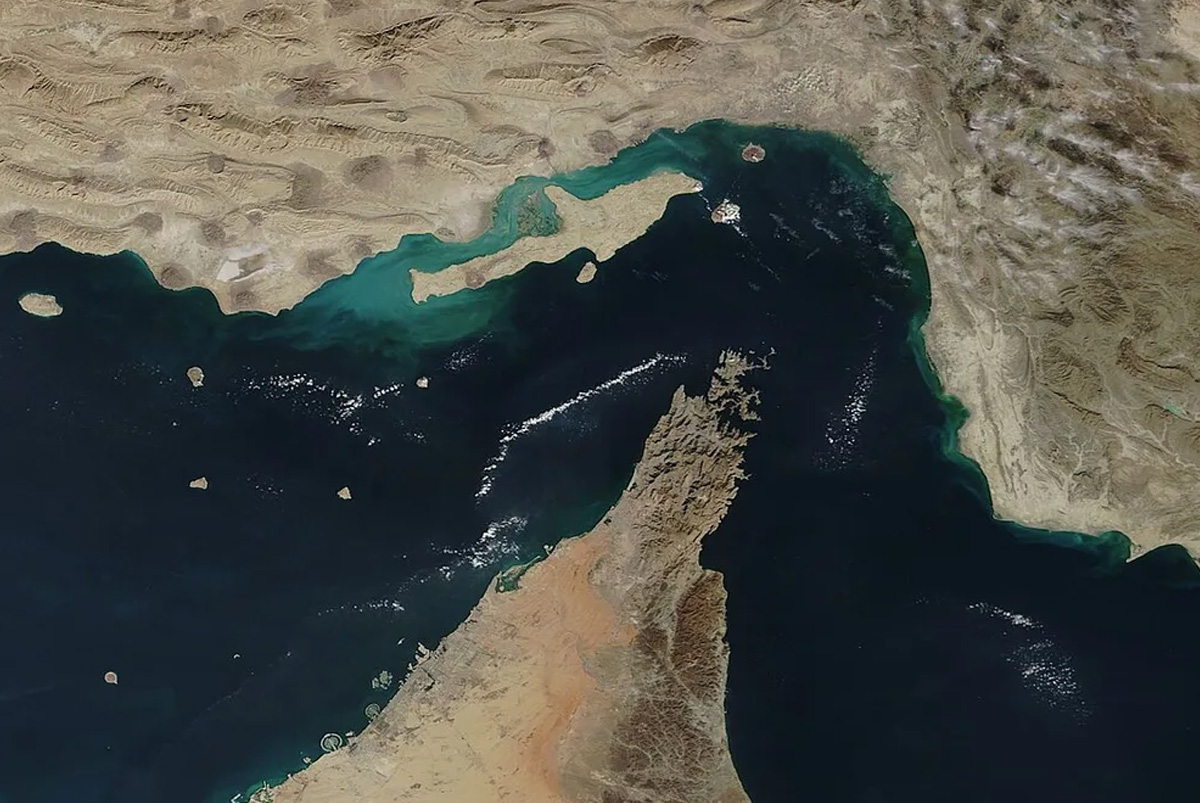
Maritime chokepoints are vital points along shipping routes that facilitate the passage of substantial trade volumes. These chokepoints control the global essential supplies such as oil, gas, fertiliz...
ENVIRONMENT, EARTH SCIENCE, BIODIVERSITY, E ARTICLE
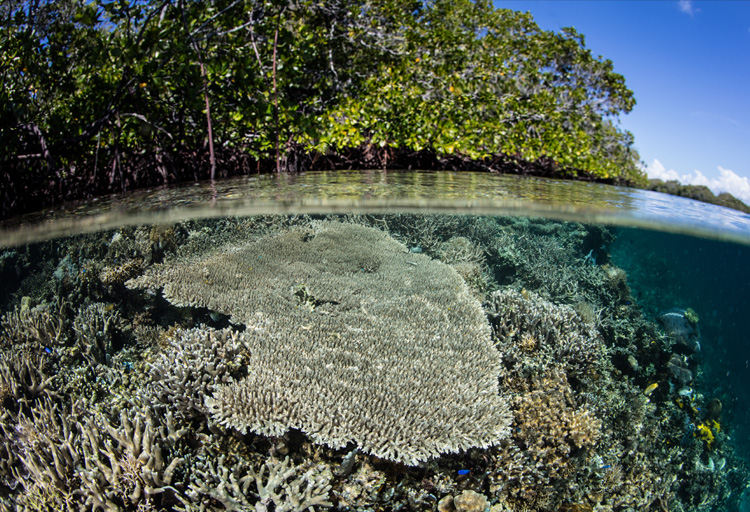
What if India's pathway to net zero does not end at factories—but begins where terrestrial meets the coastal? As carbon emissions rise and climate risks intensify, the search for solutions has largely...
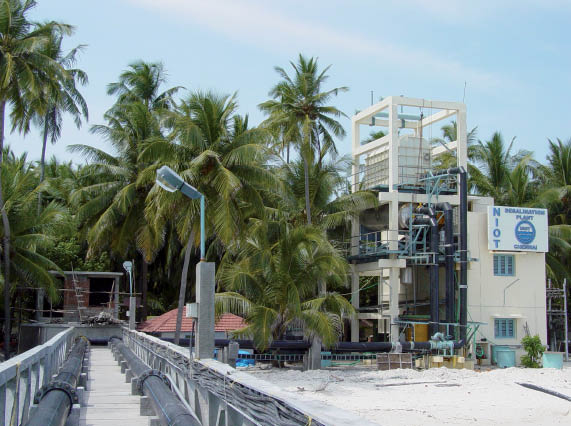
In the last 25 years, the National Institute of Ocean Technology (NIOT) has progressed from developing technology for shallow waters to deep waters. Coastal communities too have been provided access t...
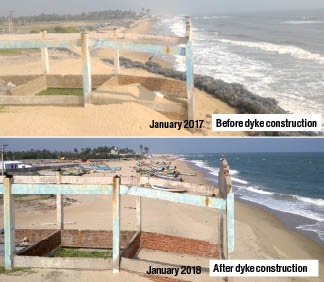
The 7,500 km long Indian coastline faces severe threats from the process of coastal erosion. The National Institute of Ocean Technology, through data collection, scientific modelling and engineering a...
The 7,500 kms long Indian coastline is dotted with many major and minor ports. The temporal increase in the volume of cargo is also indicative of the rising emissions by ships which NIOT is trying to...
Ocean Observation Systems Group of National Institute of Ocean Technology has established a moored buoy network consisting of twelve deepwater buoys, four coastal buoys and two tsunami buoys at strate...
In the last 25 years, the National Institute of Ocean Technology (NIOT) has progressed from developing technology for shallow waters to deep waters. Coastal communities too have been provided access to desalinised potable water and have benefited from the tsunami warning system.
The 7,500 km long Indian coastline faces severe threats from the process of coastal erosion. The National Institute of Ocean Technology, through data collection, scientific modelling and engineering activities, has attempted to protect several coastlines of which the Kadalur Periyakuppam coast is one.
The 7,500 kms long Indian coastline is dotted with many major and minor ports. The temporal increase in the volume of cargo is also indicative of the rising emissions by ships which NIOT is trying to minimise using innovative strategies.