
Urban growth and future projects in India
...

Glaw Lake was recently designated as Arunachal Pradesh’s First and India’s 101st Ramsar Site. It is located within the Kamlang Tiger Reserve and Wildlife Sanctuary. It hosts diverse flora and fauna sp...
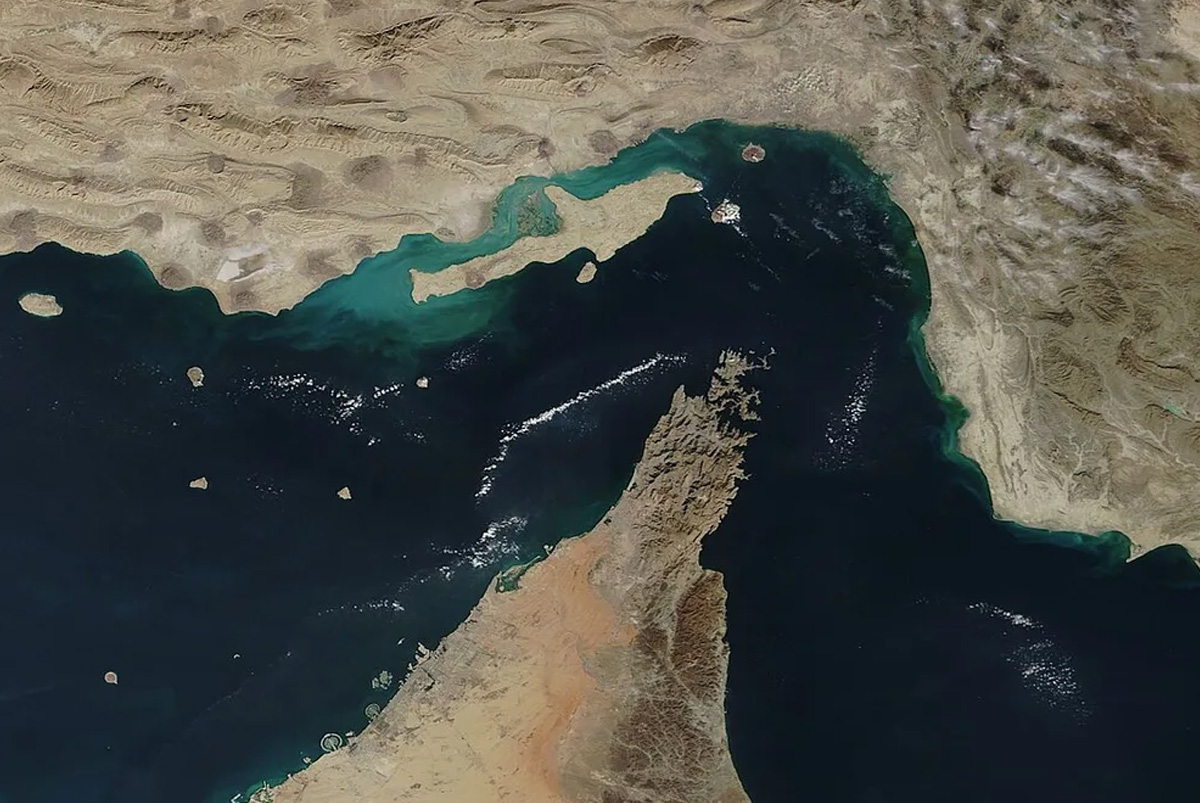
Maritime chokepoints are vital points along shipping routes that facilitate the passage of substantial trade volumes. These chokepoints control the global essential supplies such as oil, gas, fertiliz...
ENVIRONMENT, EARTH SCIENCE, BIODIVERSITY, E ARTICLE
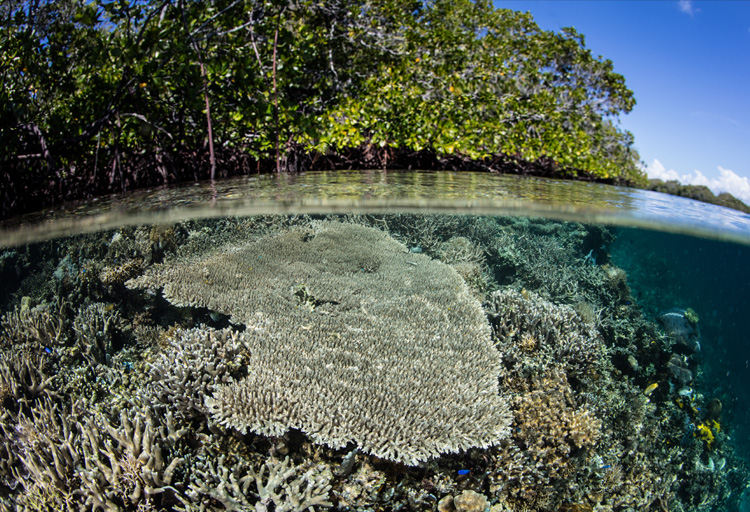
What if India's pathway to net zero does not end at factories—but begins where terrestrial meets the coastal? As carbon emissions rise and climate risks intensify, the search for solutions has largely...
The developed countries while understanding their historic responsibilities towards climate change should assist the developing countries with technology transfer, mitigation and funding to ensure cli...
River Noyyal, an important tributary of the Cauvery, was a significant source of water in Coimbatore, Tiruppur, Erode and Karur districts in the 1980s. Since the 1990s, effluent discharge from the dye...
Demand for water in India is estimated to reach 1500 billion cubic m by 2030. Against this India’s current water supply is approximately 740 billion cubic m as a result of which most river basins coul...
The developed countries while understanding their historic responsibilities towards climate change should assist the developing countries with technology transfer, mitigation and funding to ensure climate justice.
River Noyyal, an important tributary of the Cauvery, was a significant source of water in Coimbatore, Tiruppur, Erode and Karur districts in the 1980s. Since the 1990s, effluent discharge from the dyeing and bleaching units in and around Tiruppur has ecologically damaged the river basin, bringing agriculture to a standstill. Despite judicial intervention and the setting up of common effluent treat...